

![5-Minute Flexible Toughened Epoxy [Pro Kit] — Quick Bonding, Repairs & Gap Filling](http://starbond.com/cdn/shop/files/5MinuteEpoxyProKit.png?v=1788295229&width=2250)


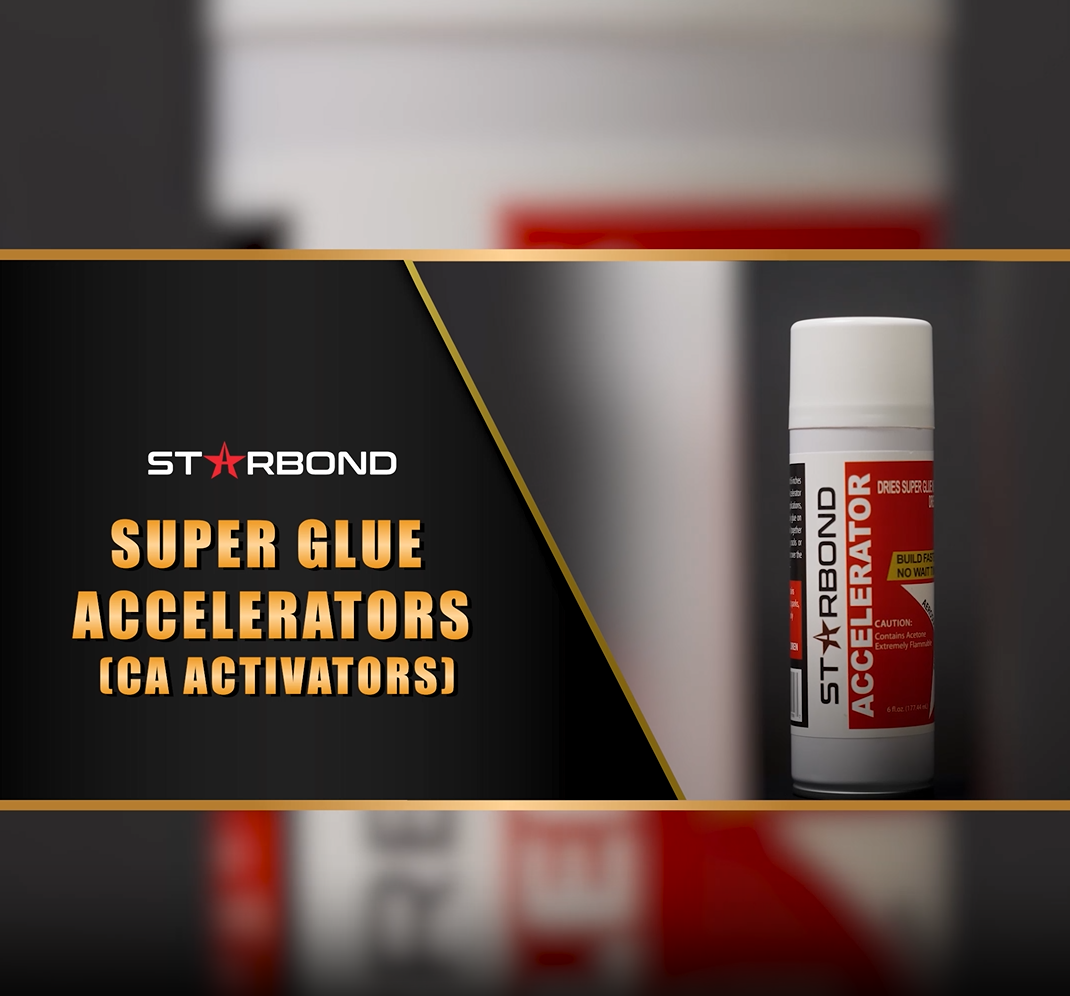
Aerosol Super Glue Accelerator Spray — Dries Super Glue in Seconds
Aerosol Super Glue Accelerator Spray — Dries Super Glue in Seconds
-
SETS SUPER GLUE IN SECONDS — LESS WAITING, MORE DONE
Turn minutes of waiting into seconds of setting. Spend less time holding parts and keep repairs, builds and layered fills moving. -
FINE, EVEN MIST — COVER THE GLUE LINE
The aerosol spray spreads accelerator across the target area, making light, even application easier. -
FOR ALL CA SUPER GLUES — ESPECIALLY THICK & COLORED
Use with thin, medium, thick and colored formulas. Especially helpful for thick and slower-setting colored CA glues, including black and white. -
FOR EVERYDAY REPAIRS, MODELS & WOODWORKING
Speed up small repairs, model assembly, woodturning, crack filling and inlays when paired with the right CA glue. -
6 OZ OR 10 OZ — READY FOR YOUR NEXT PROJECT
Choose 6 oz for occasional repairs or 10 oz for frequent workshop use. Super glue sold separately.

Product FAQs
How can I make super glue dry faster?
Which glues work with this CA glue accelerator?
Which aerosol accelerator size should I choose?
Definitely dries the glue quickly. However, definitely use good ventilation. The chemicals stink to high heaven and not good to inhale. Just be careful with it.
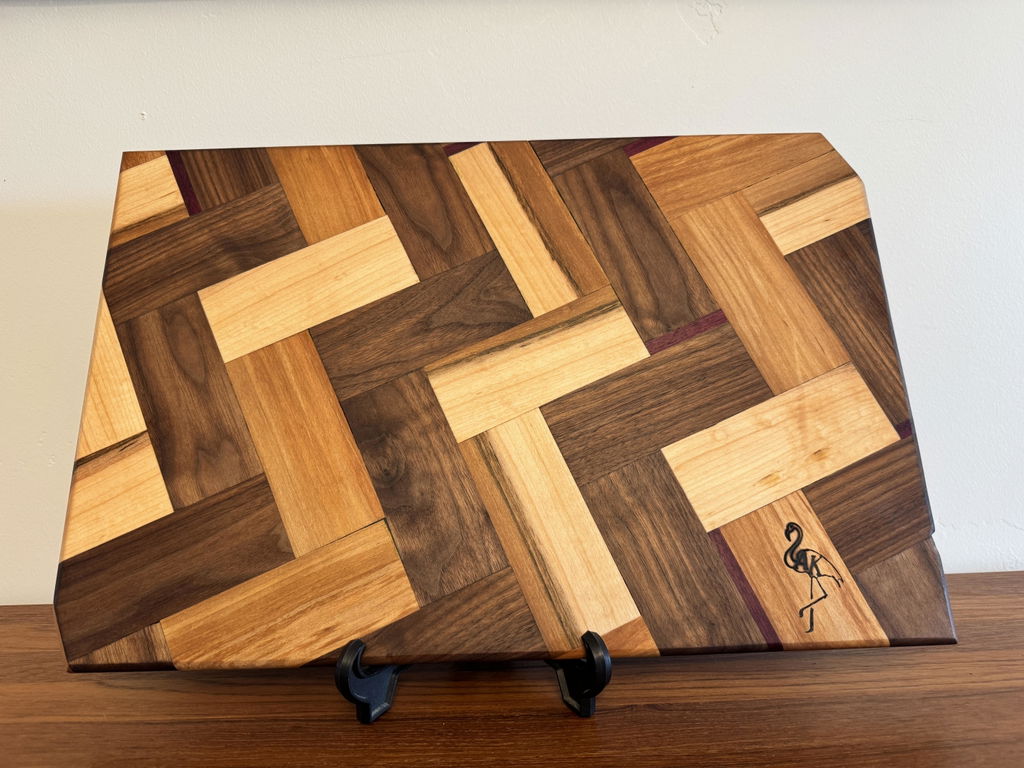
Love using this star bond products with my woodworkings use it a lot

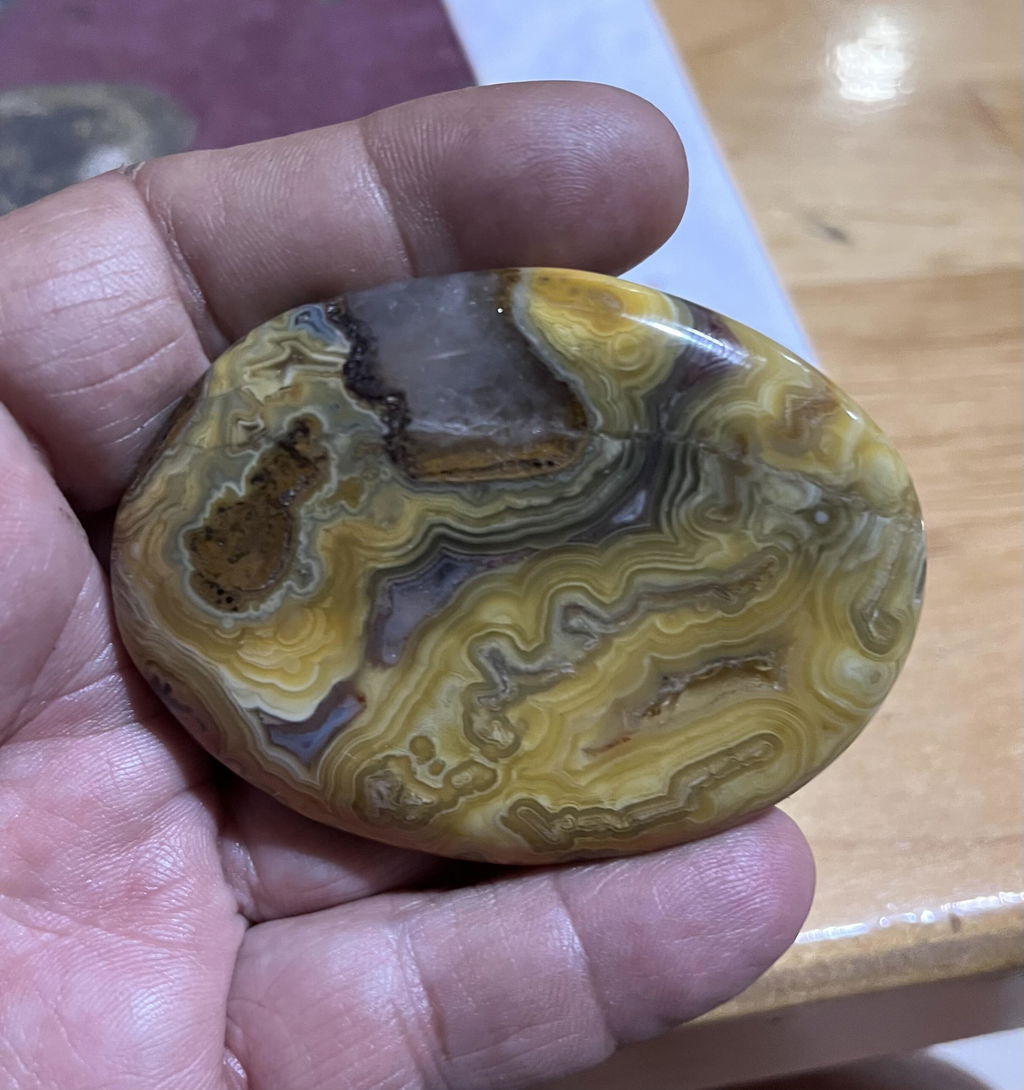
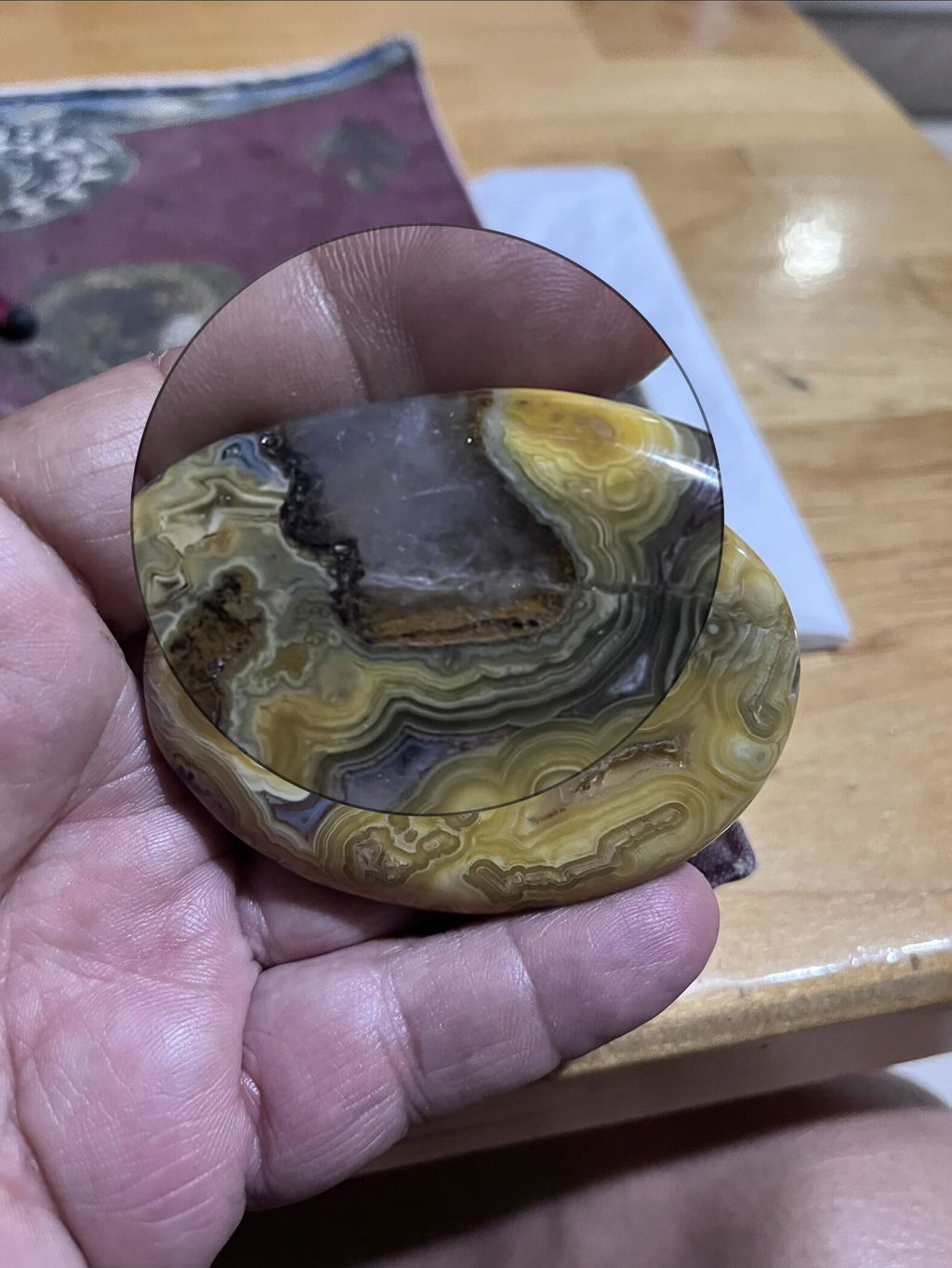
Works great on filling small holes in my rock that I make
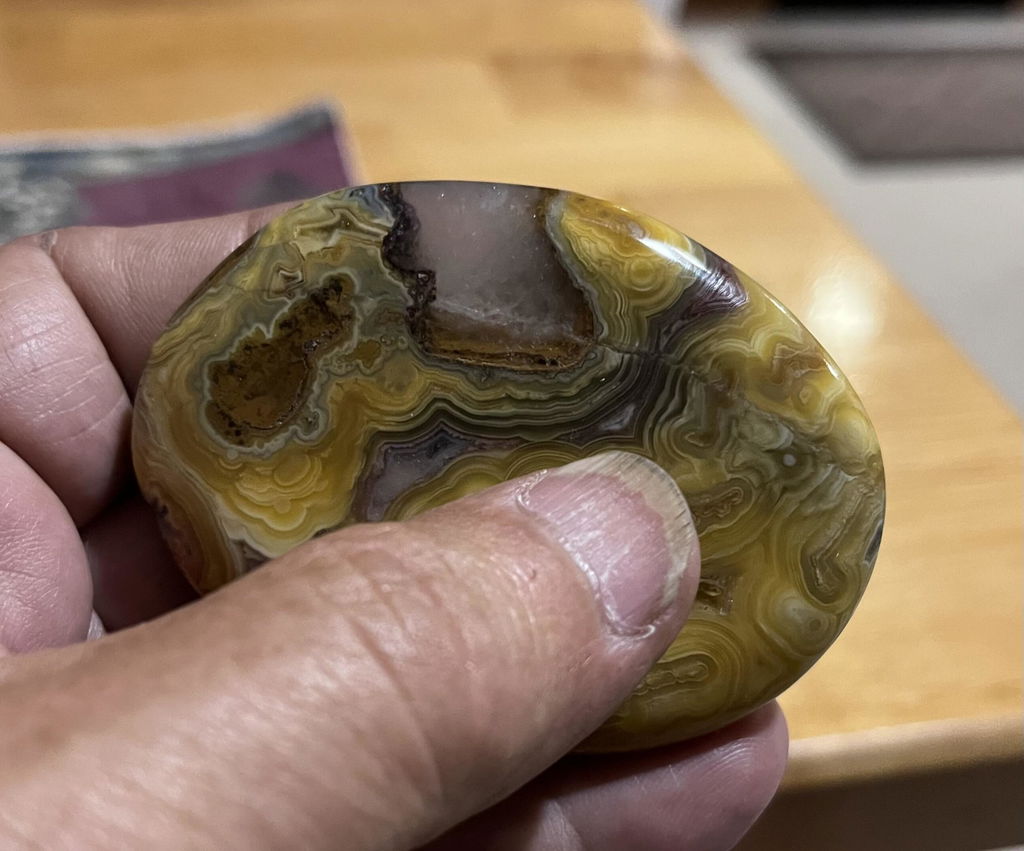
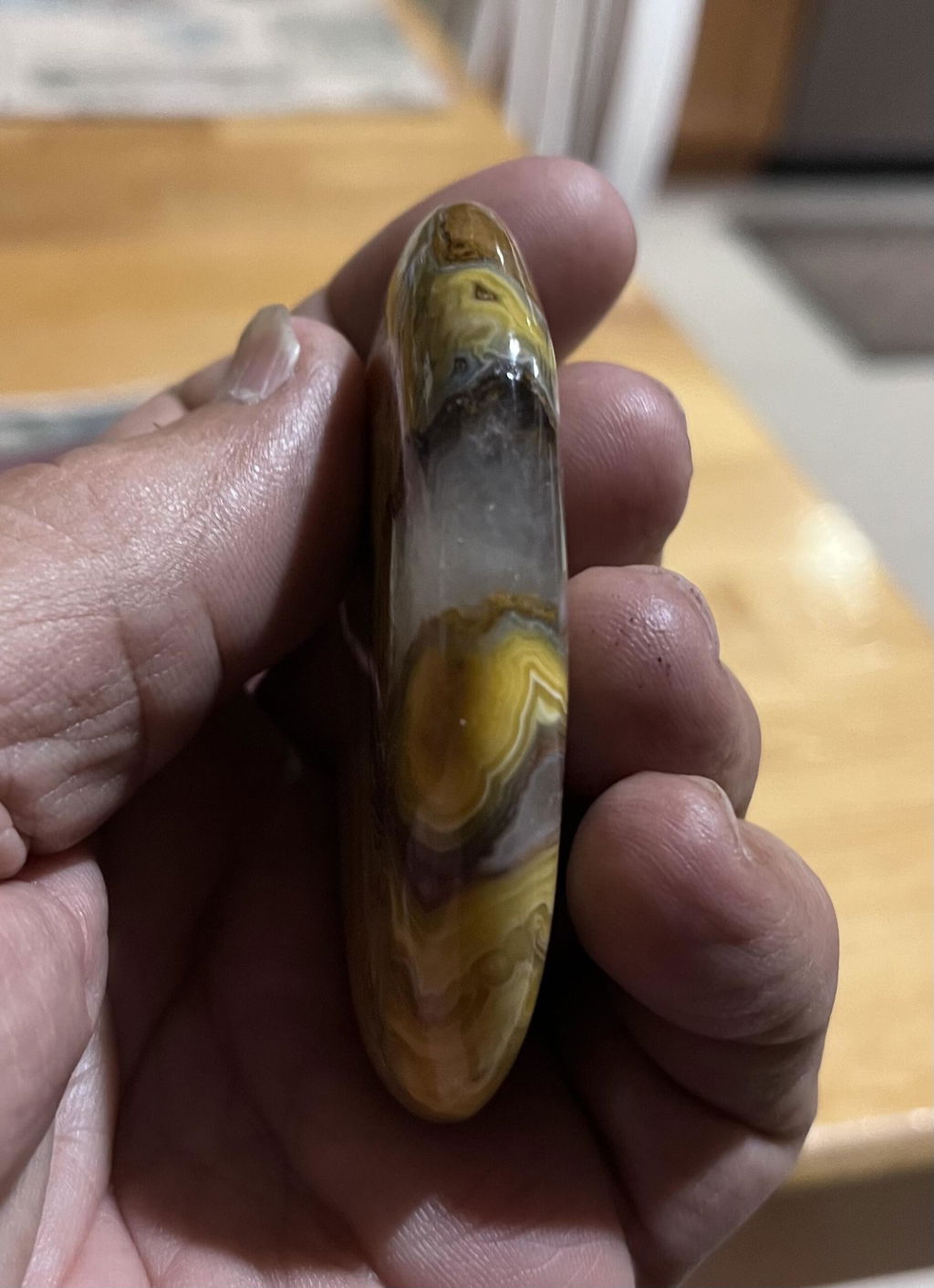
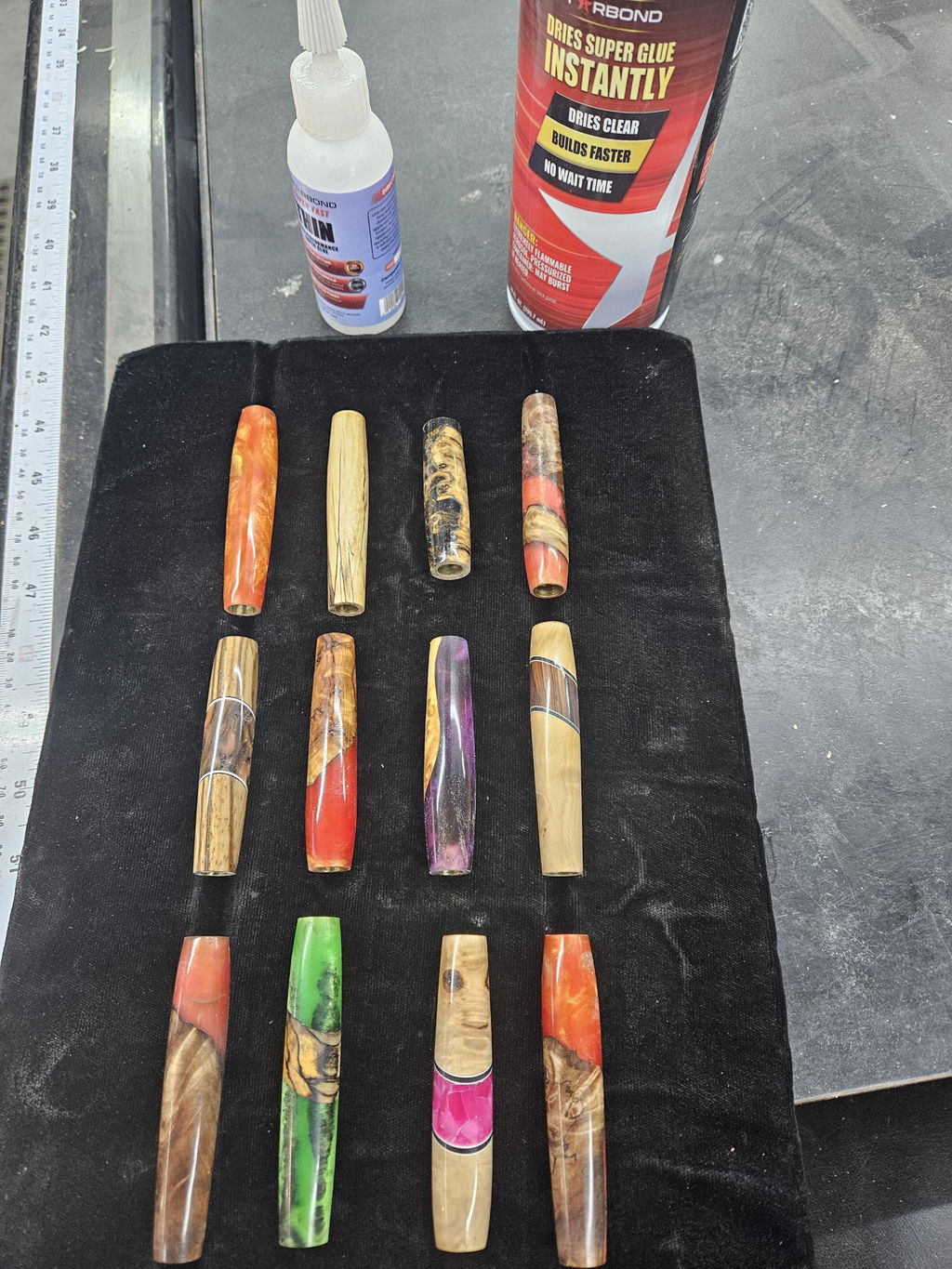
Good stuff does a great job. Quick shipping as always.
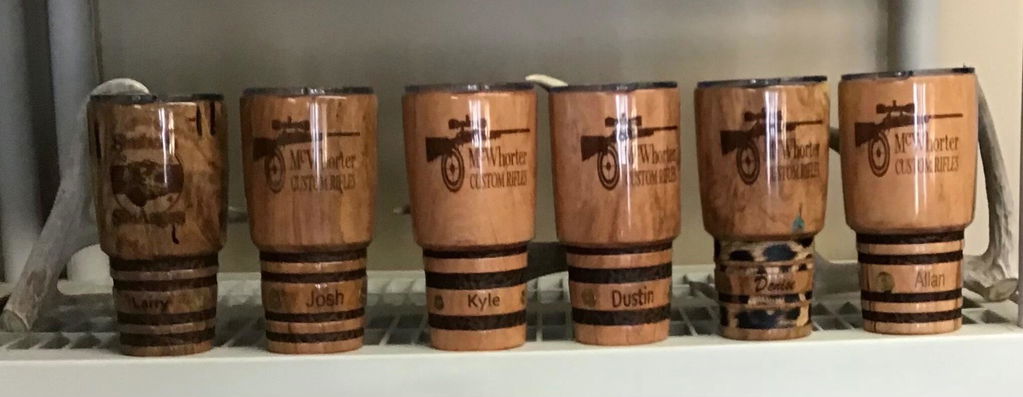
Love this spray, use it on my tumblers and mugs.
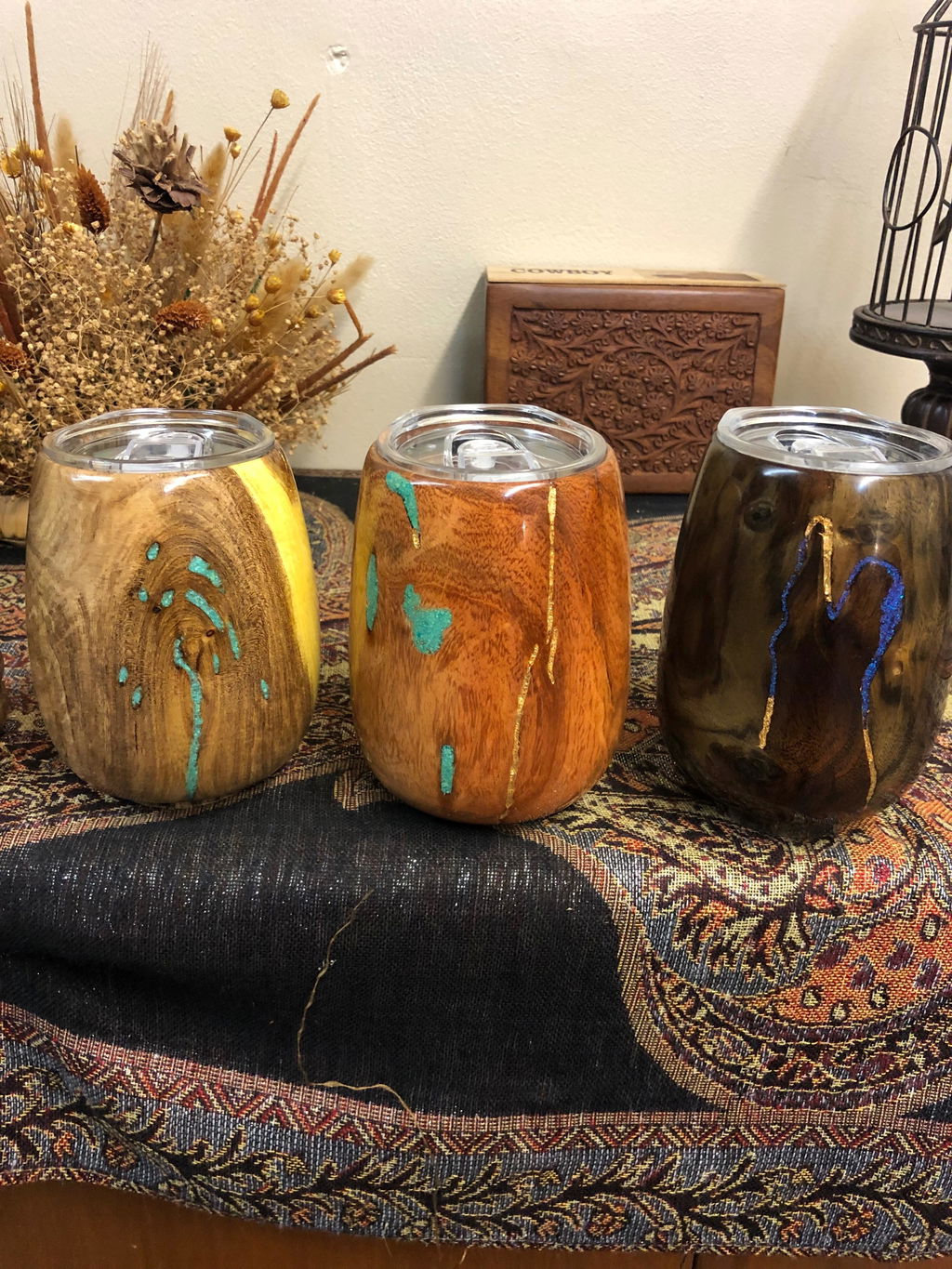
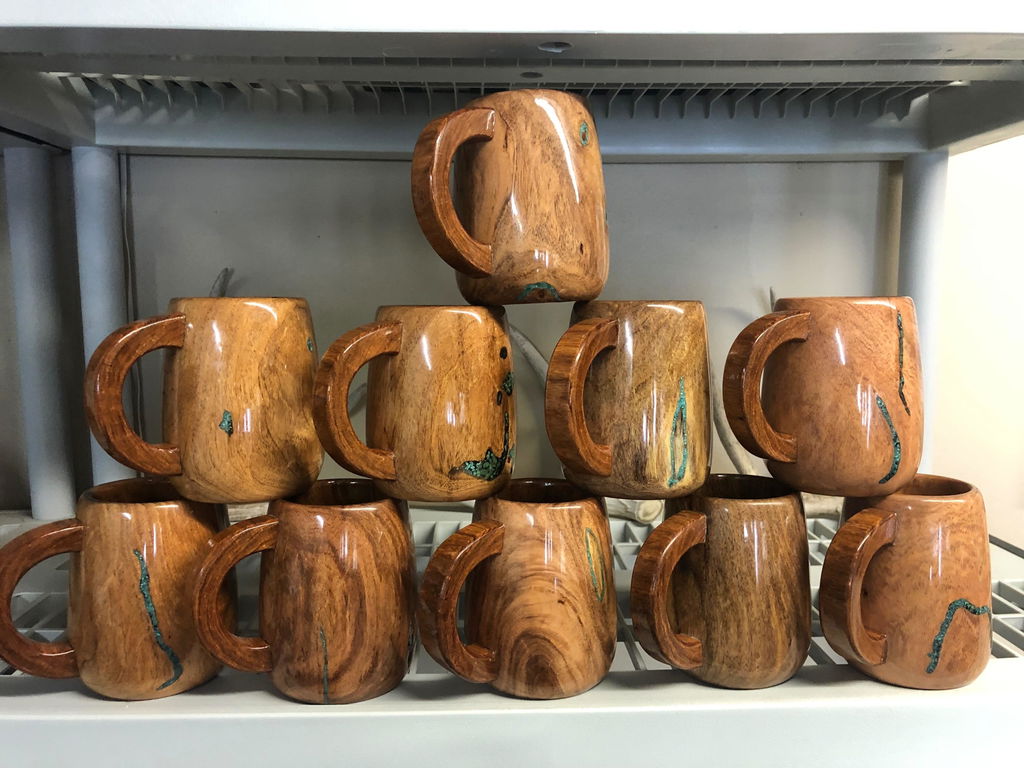
The best CA glue on the market ive used it for years and it has always worked as it's supposed to.
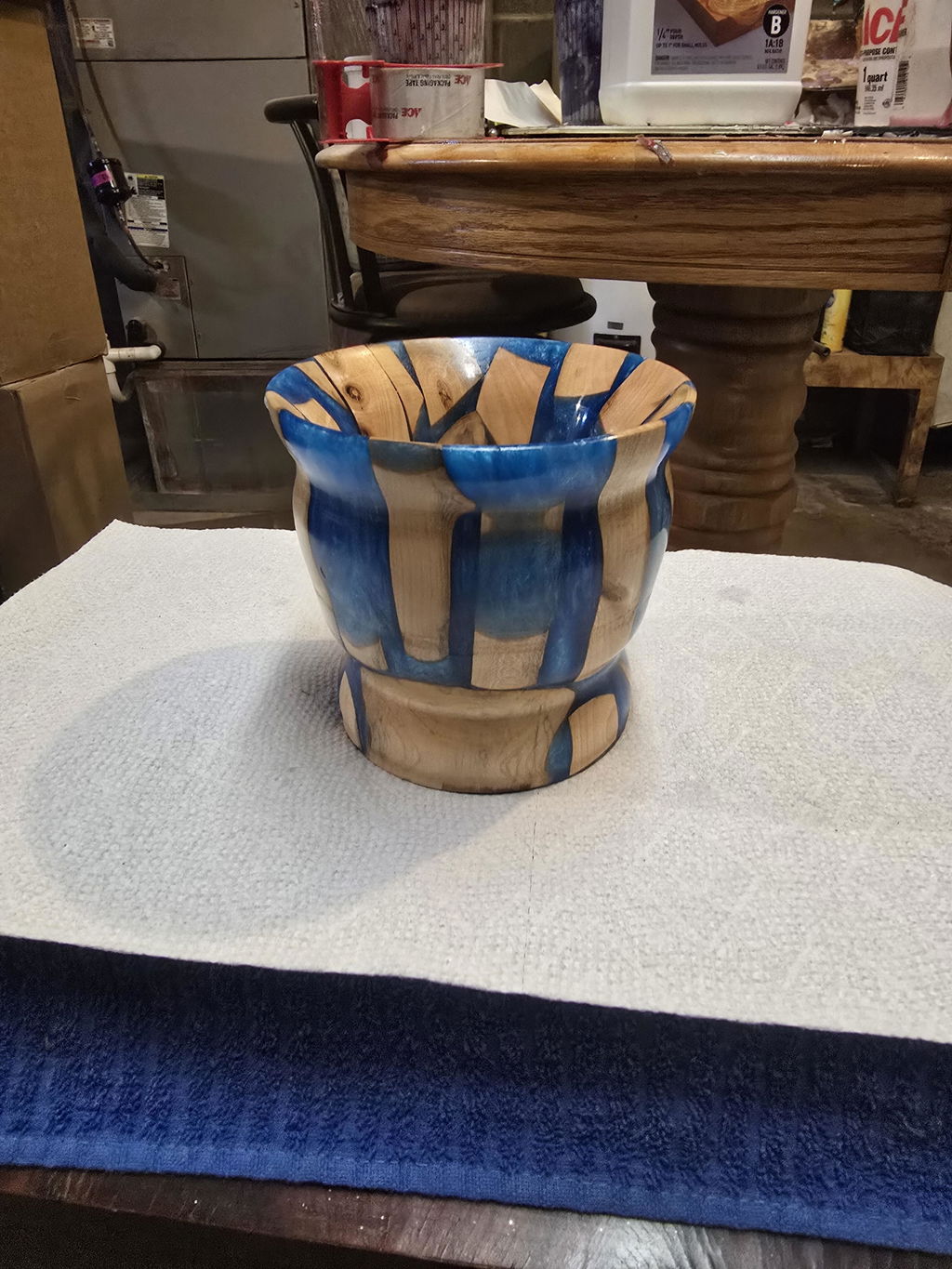
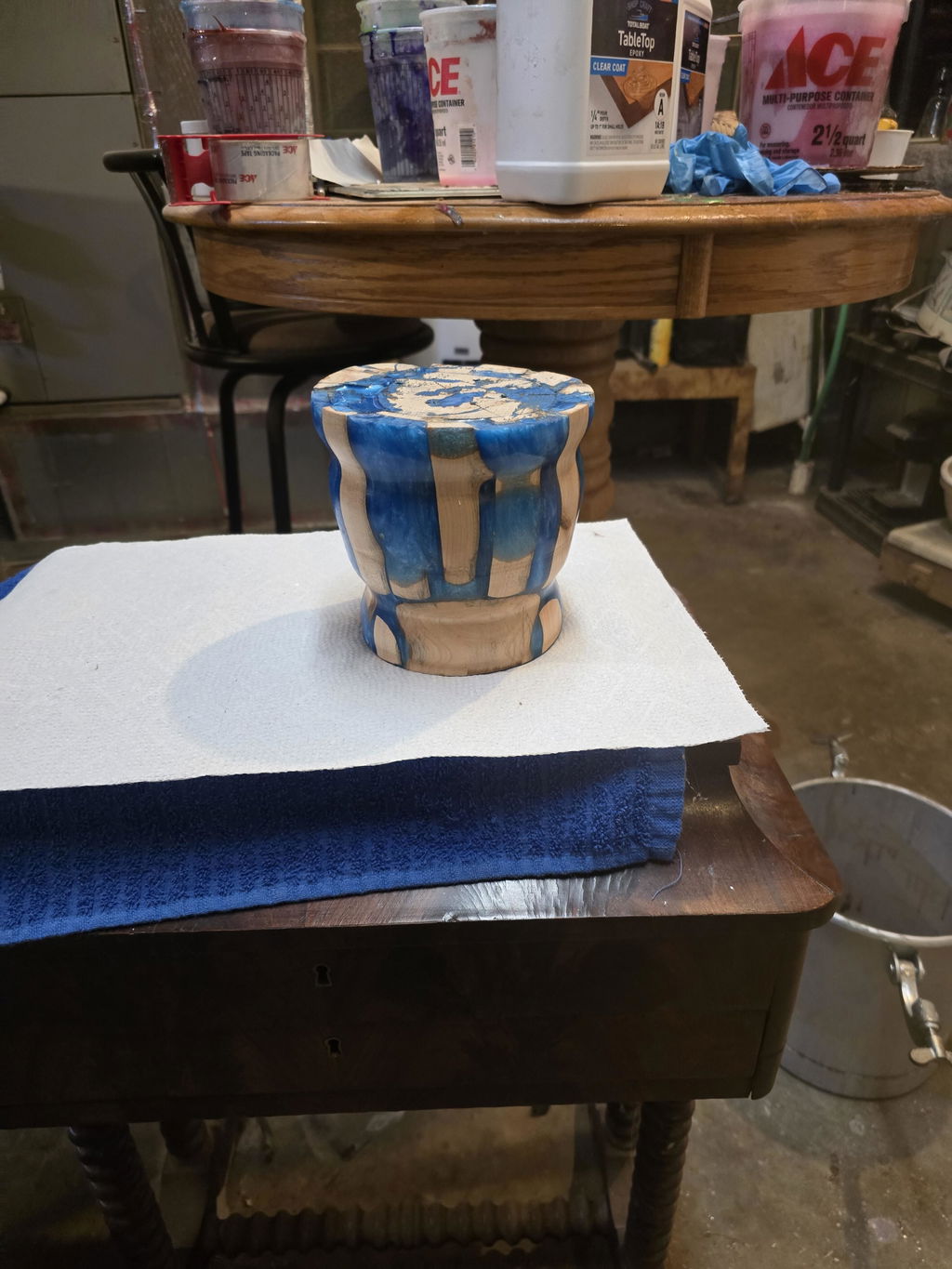
I use Starbond black and dark brown CA glues and accelerator consistently in my shop. Love the results
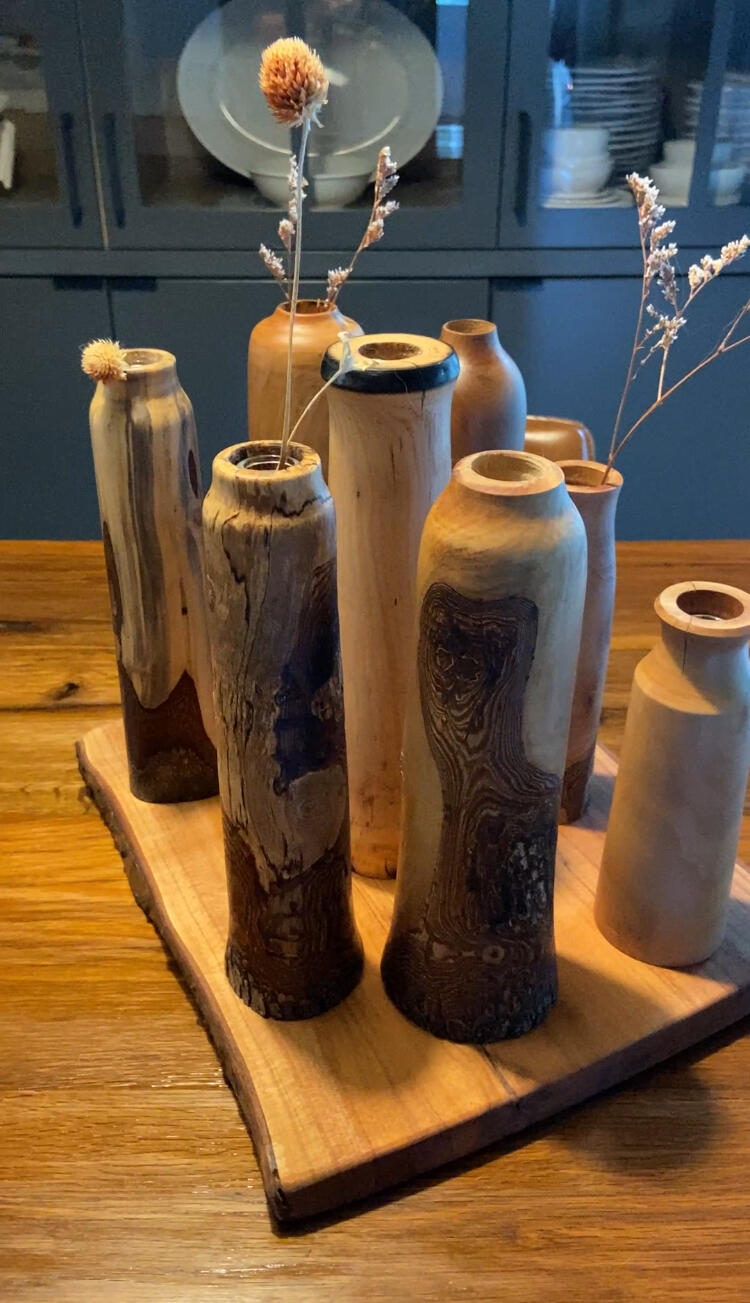
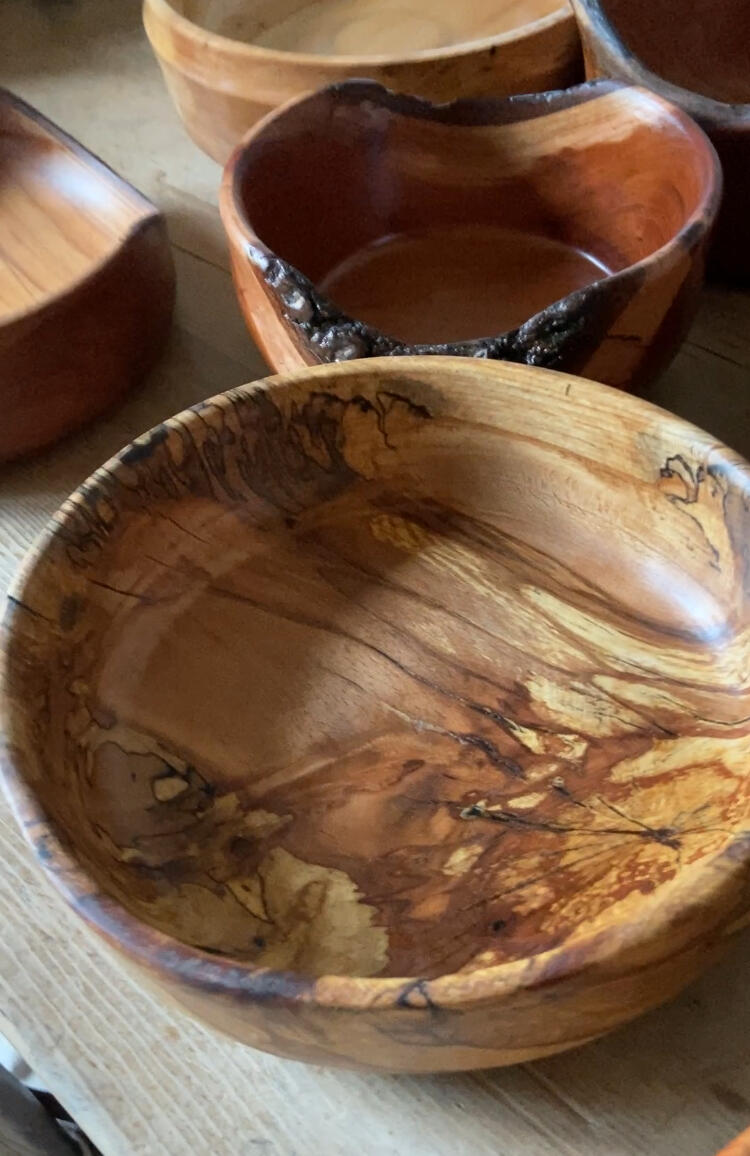
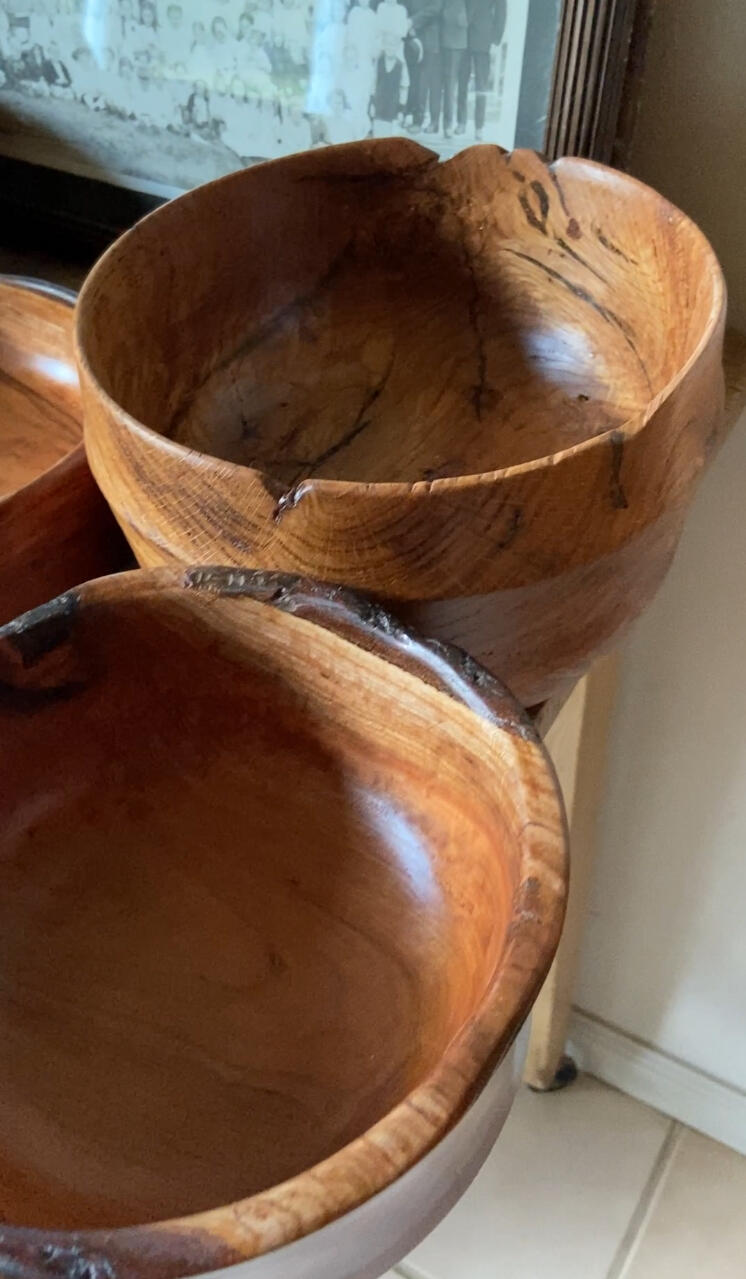
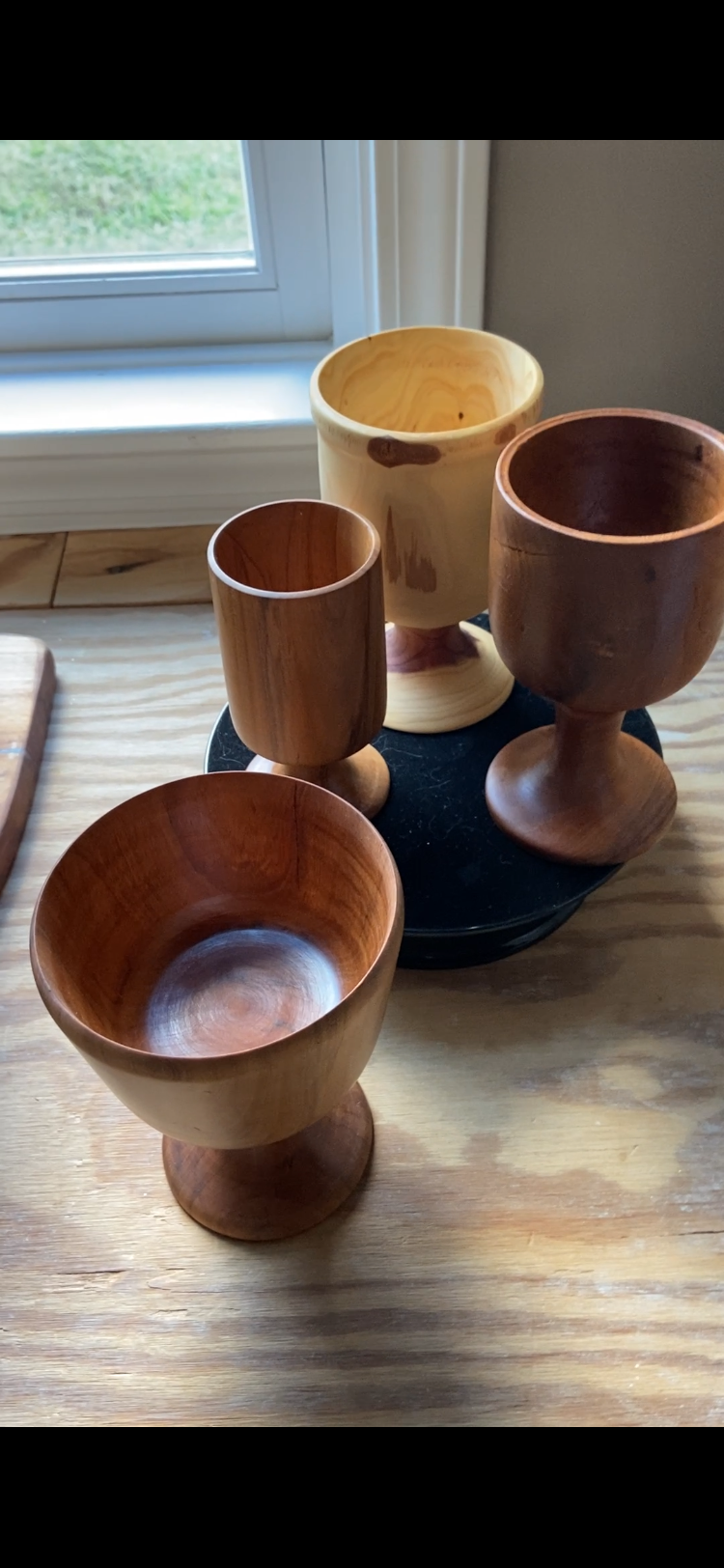
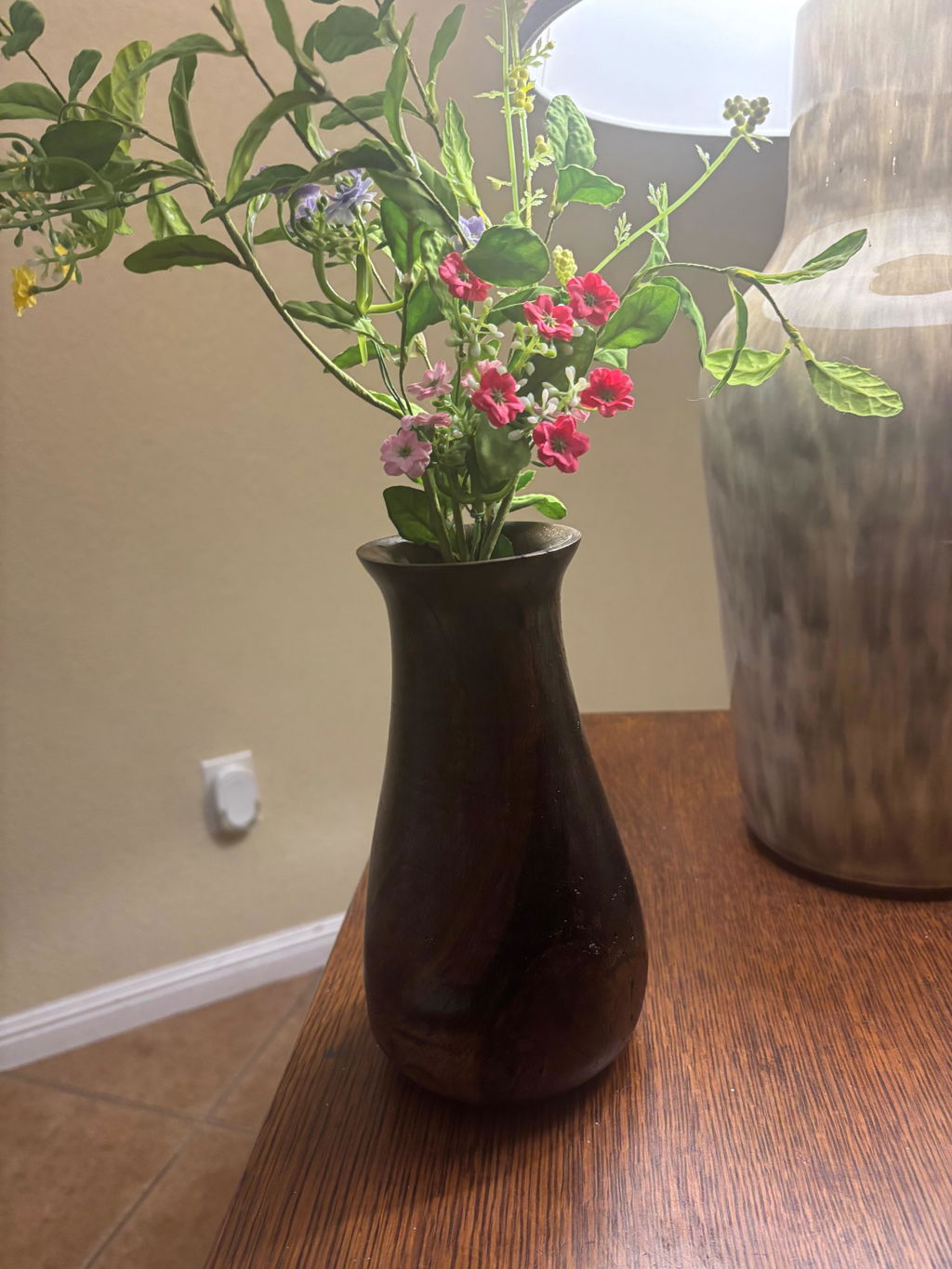
A very old piece of spalted maple, cleaned, punky wood removed, and large voids filled with starboard glue. The accelerator was essential in completion of entry into a juried art exhibit. First item sold.
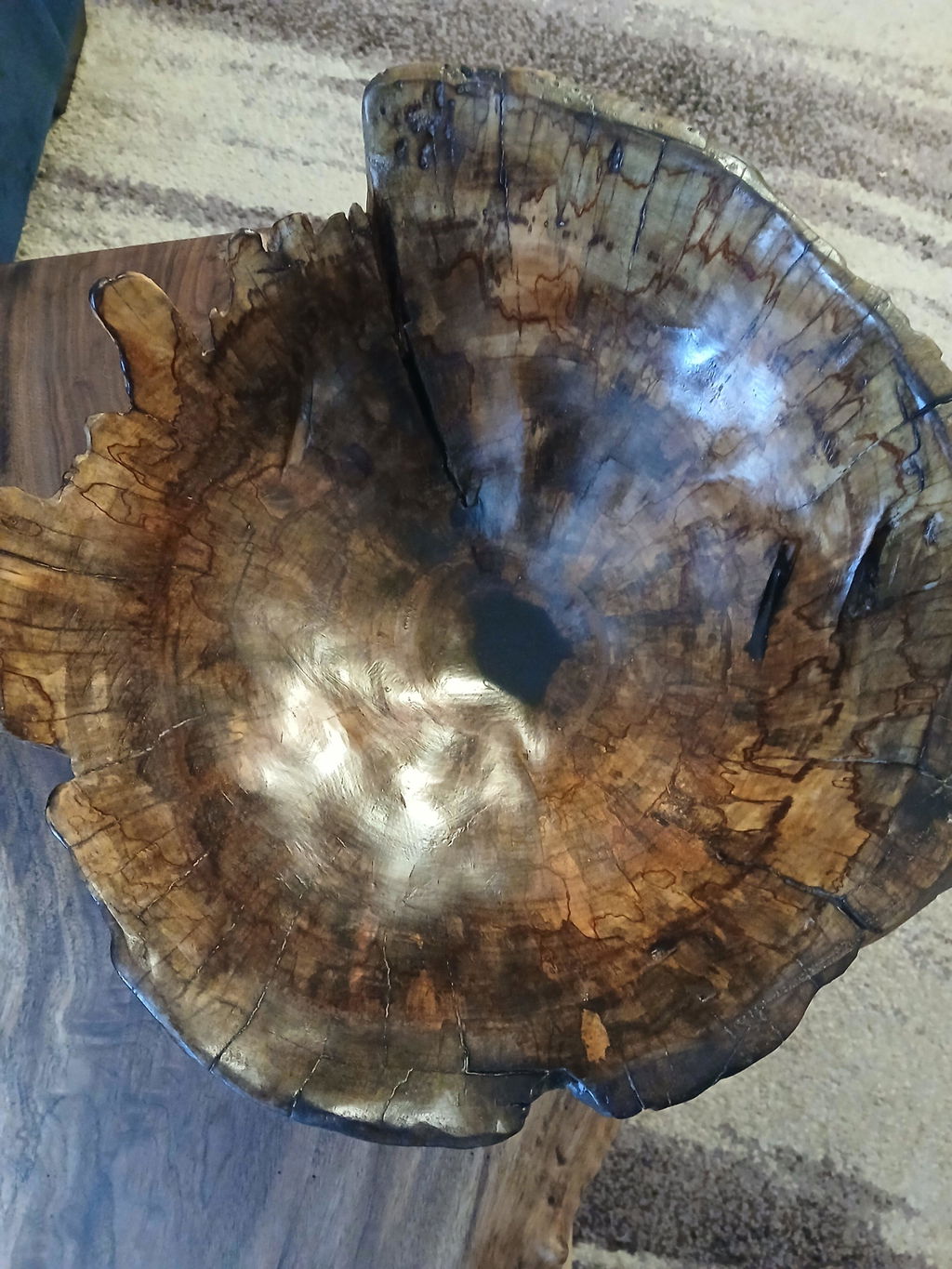
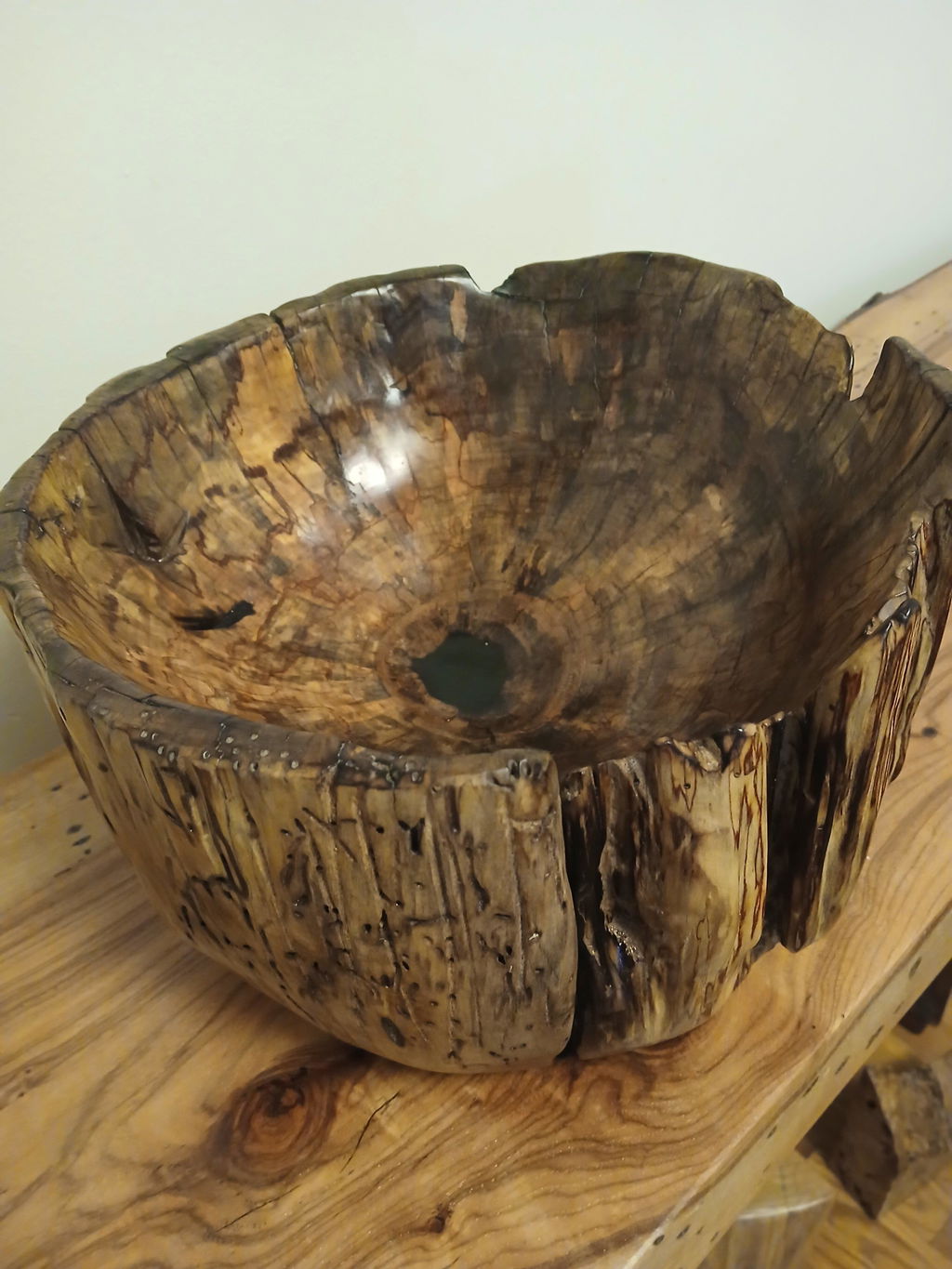
I've been using this product for a few years absolutely awesome it has not let me down perfect CA finishes and awesome with stabilizing punky wood if you haven't tried it I recommend you get some it'll make your life so much easier
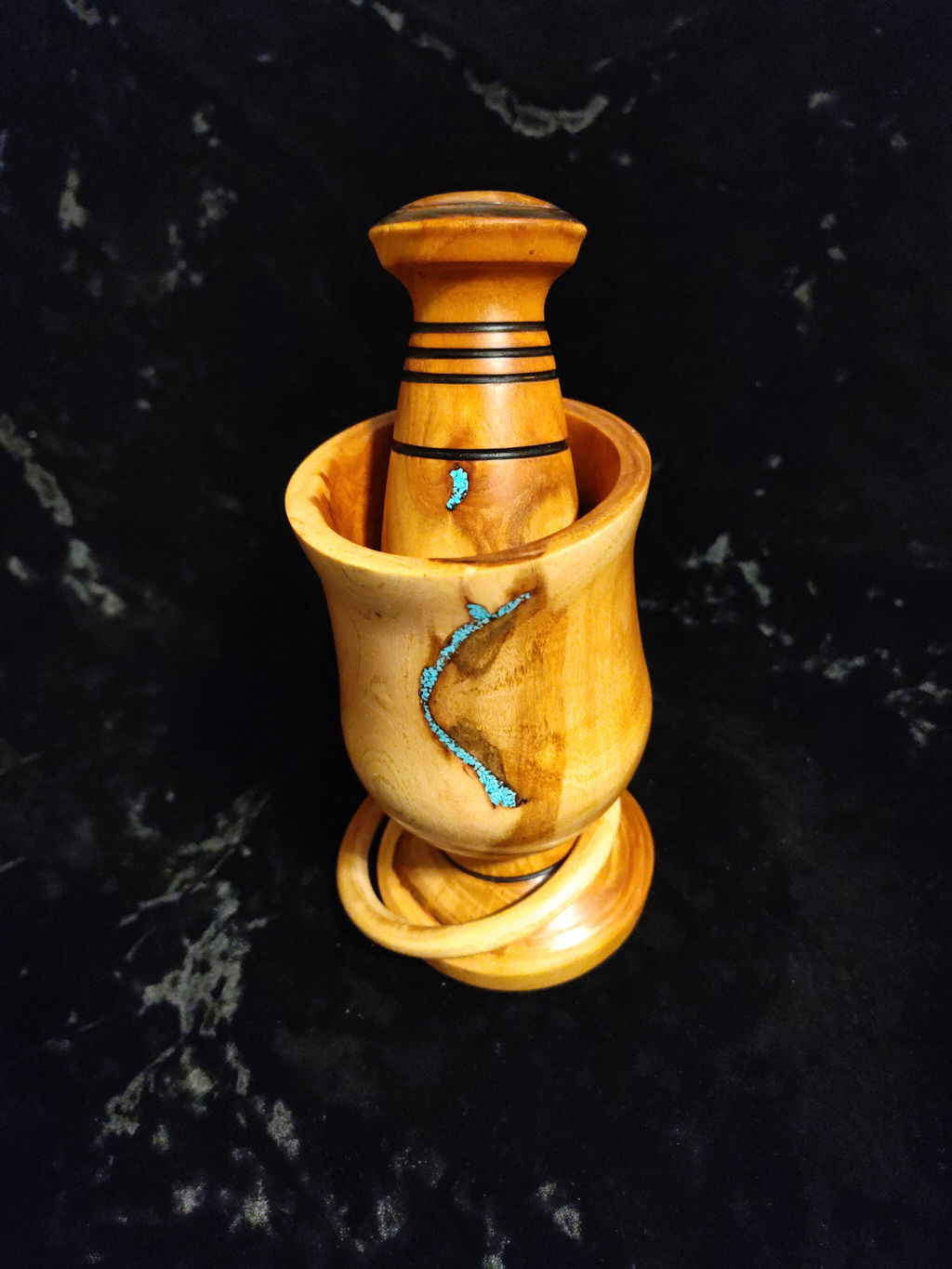
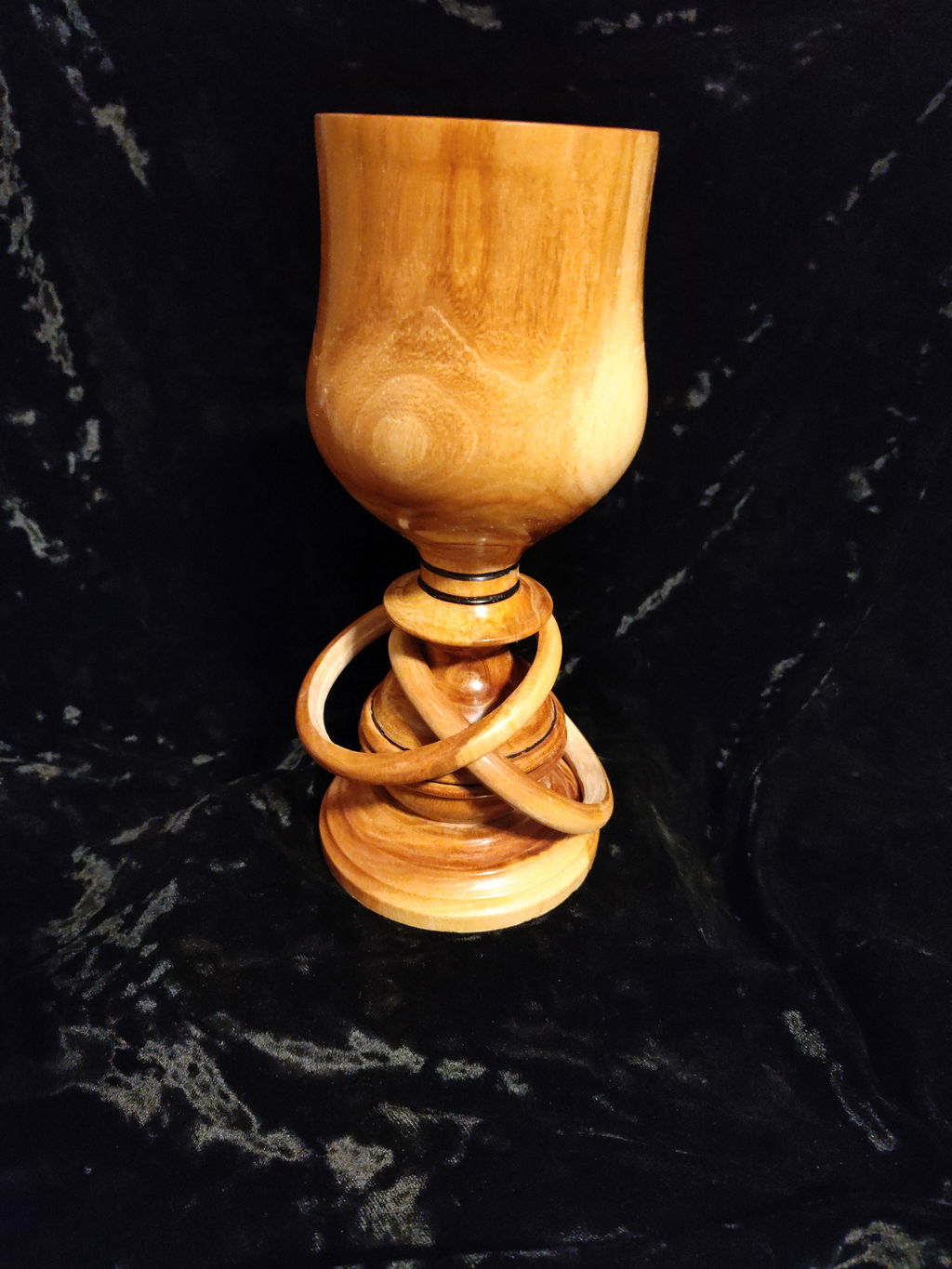
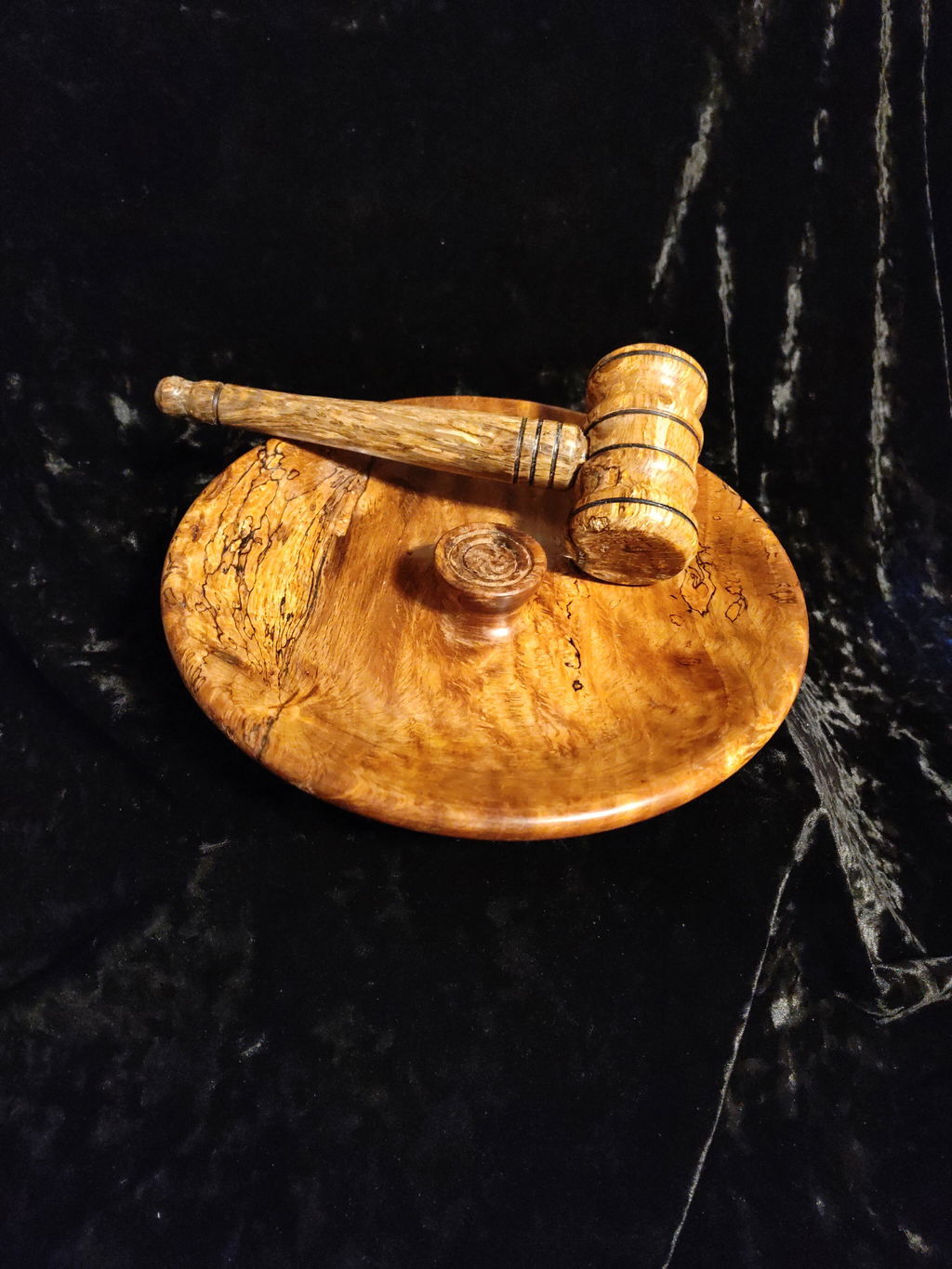
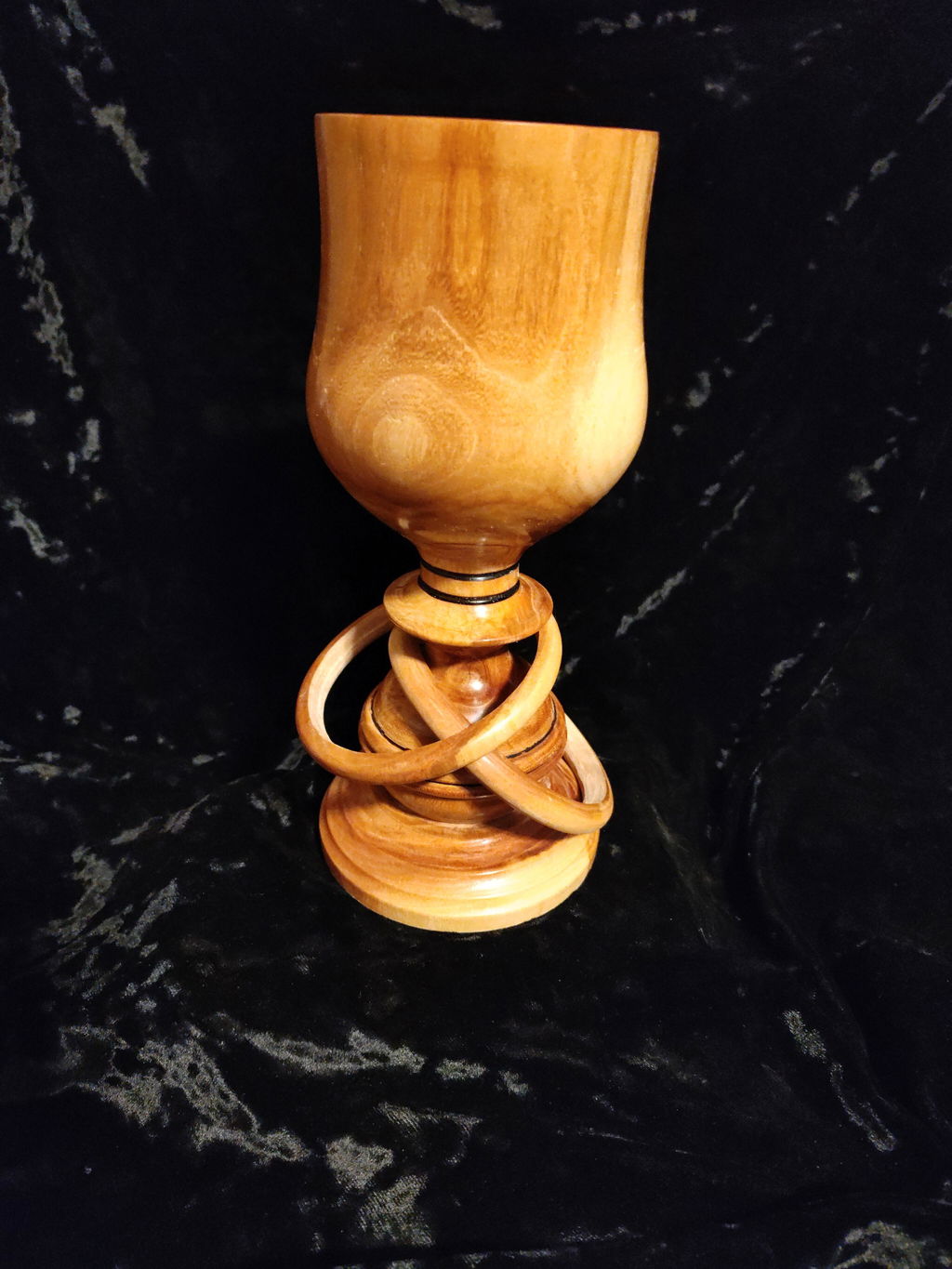
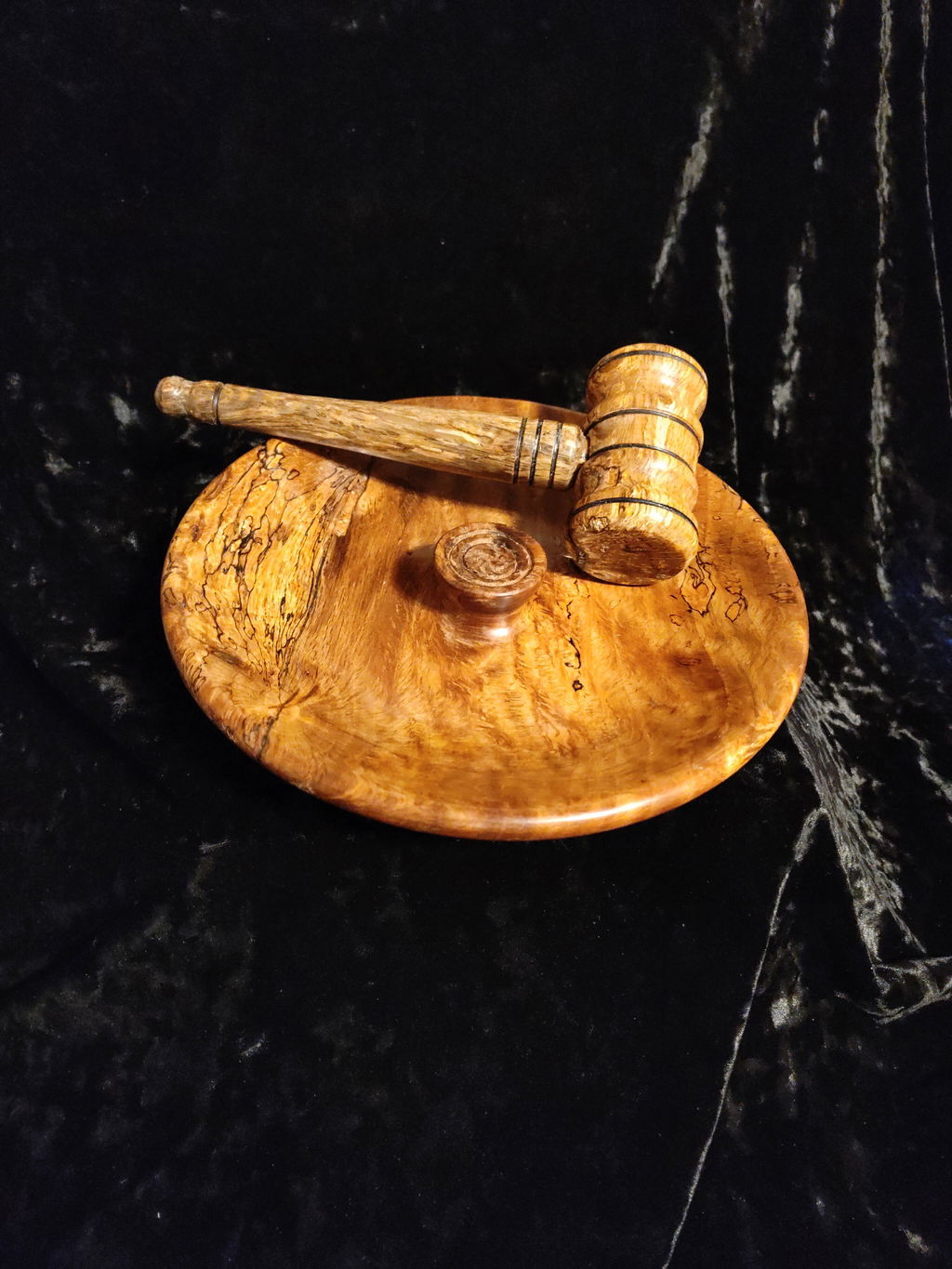
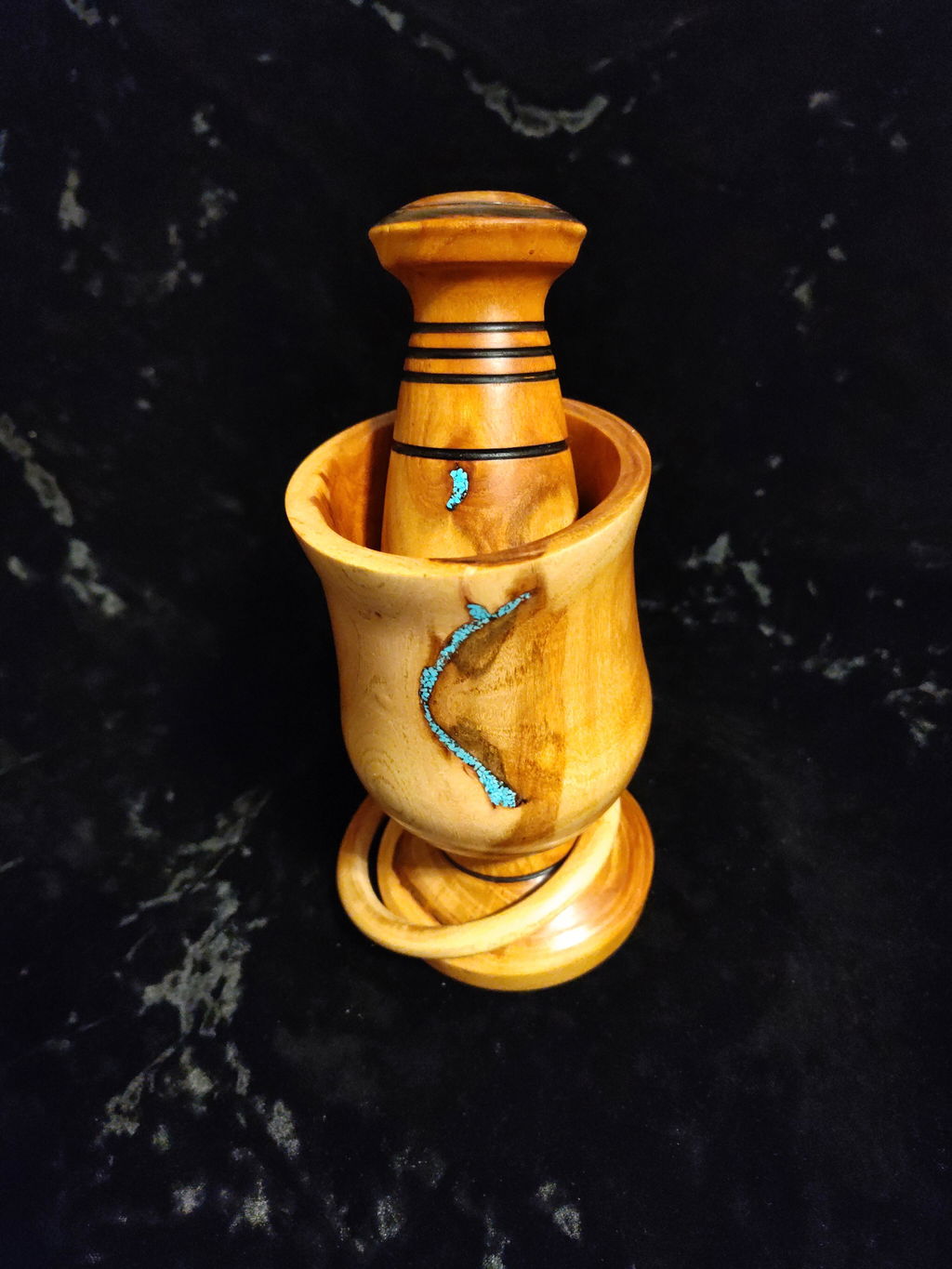
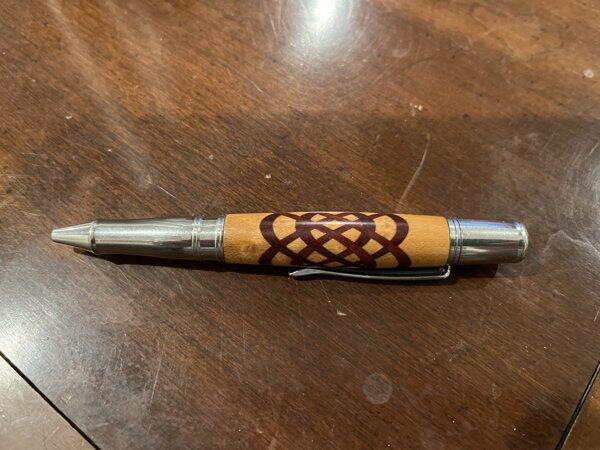
I use ca glue to finish my wood pens and pencils. I tried Starbond several years ago on the recommendation of a friend and have been using it exclusively ever since. I get a durable finish that polishes out to an incredible shine and so far hasn’t cracked or chipped in 5 years on my every day carry pen.
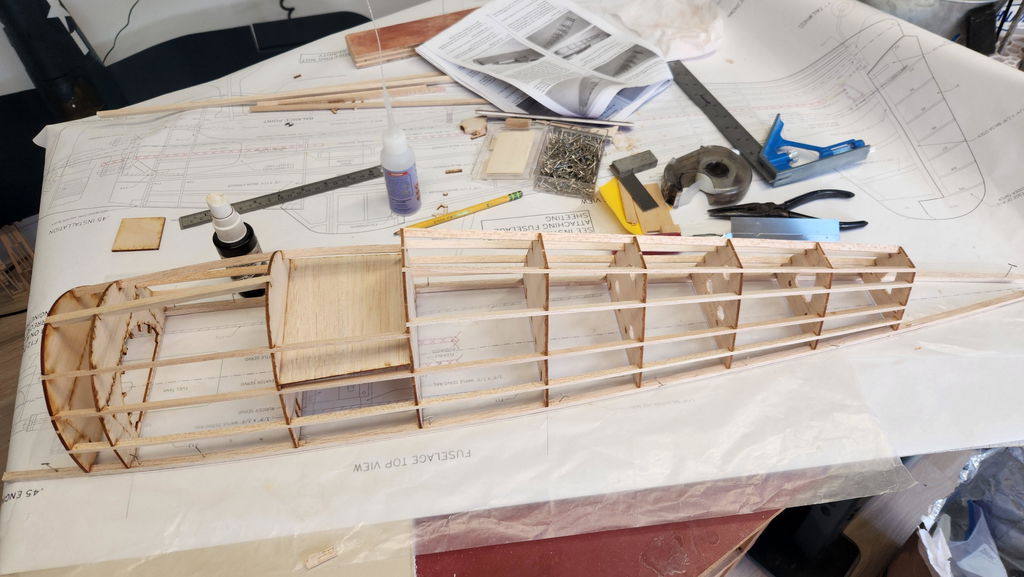
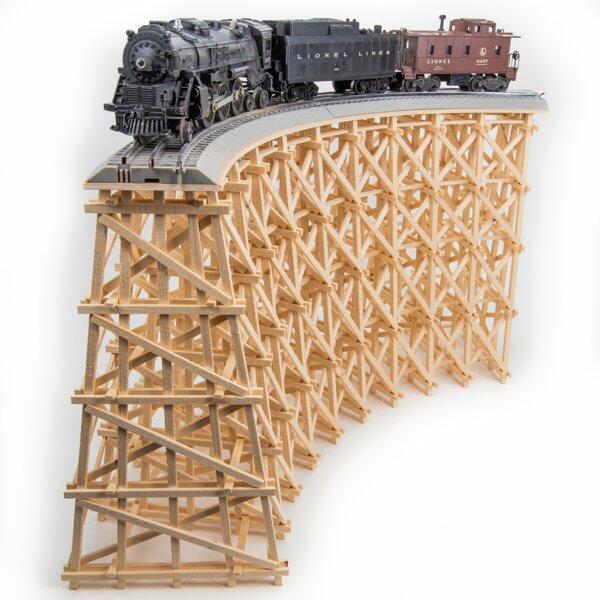
Starbond Accelerator Is a must for my business. Many of the model bridges I build for O gauge railroading contain hundreds of small pieces. Thanks to Starbond products, projects what would normally take several days to build can be completed in one day. Thank you so much Srarbond!
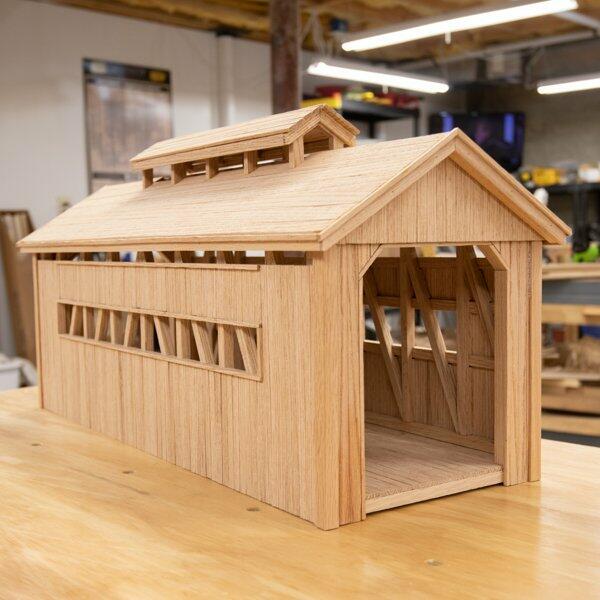

A must have to cure your glue fast. Works as advertised. No white residue after curing either. Great product.
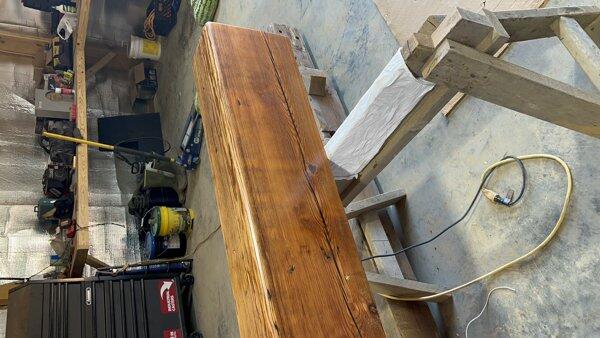
Starbond Accelerator is my go to for fast and no wait time drying from super fast thin or medium thick super glue.
The availability of two sizes is so convenient
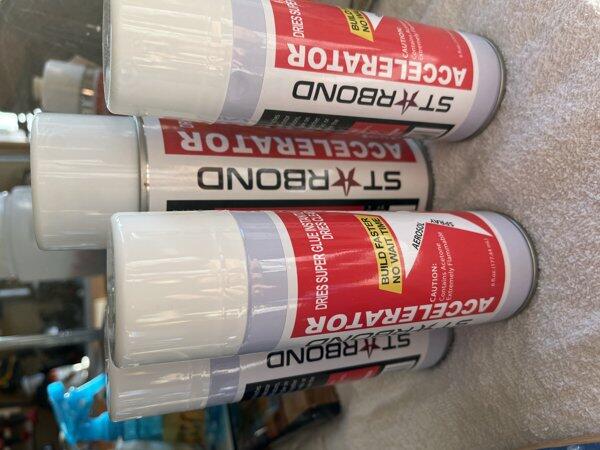
Just love this accelerator! Works 100 times better and faster than regular epoxy!
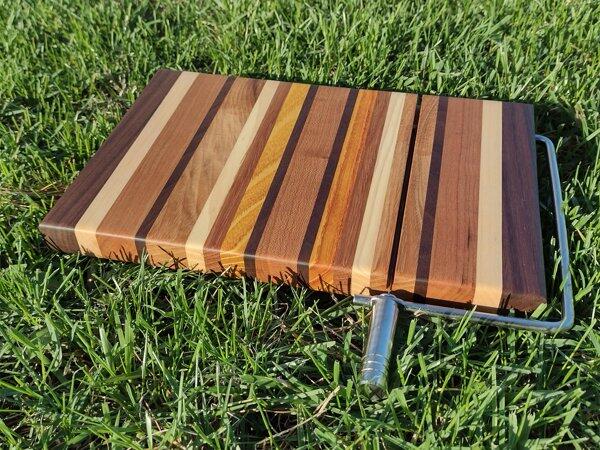
only starbond
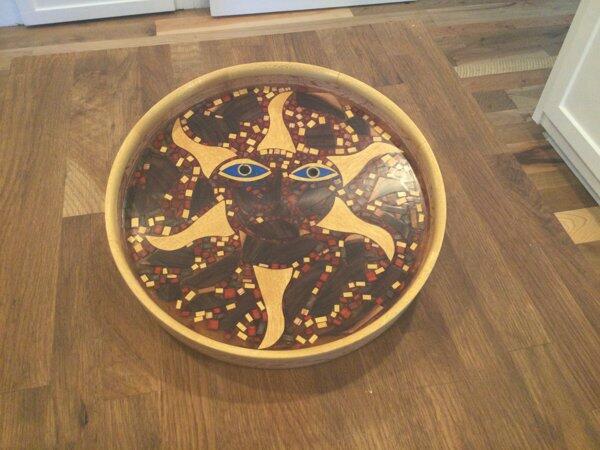
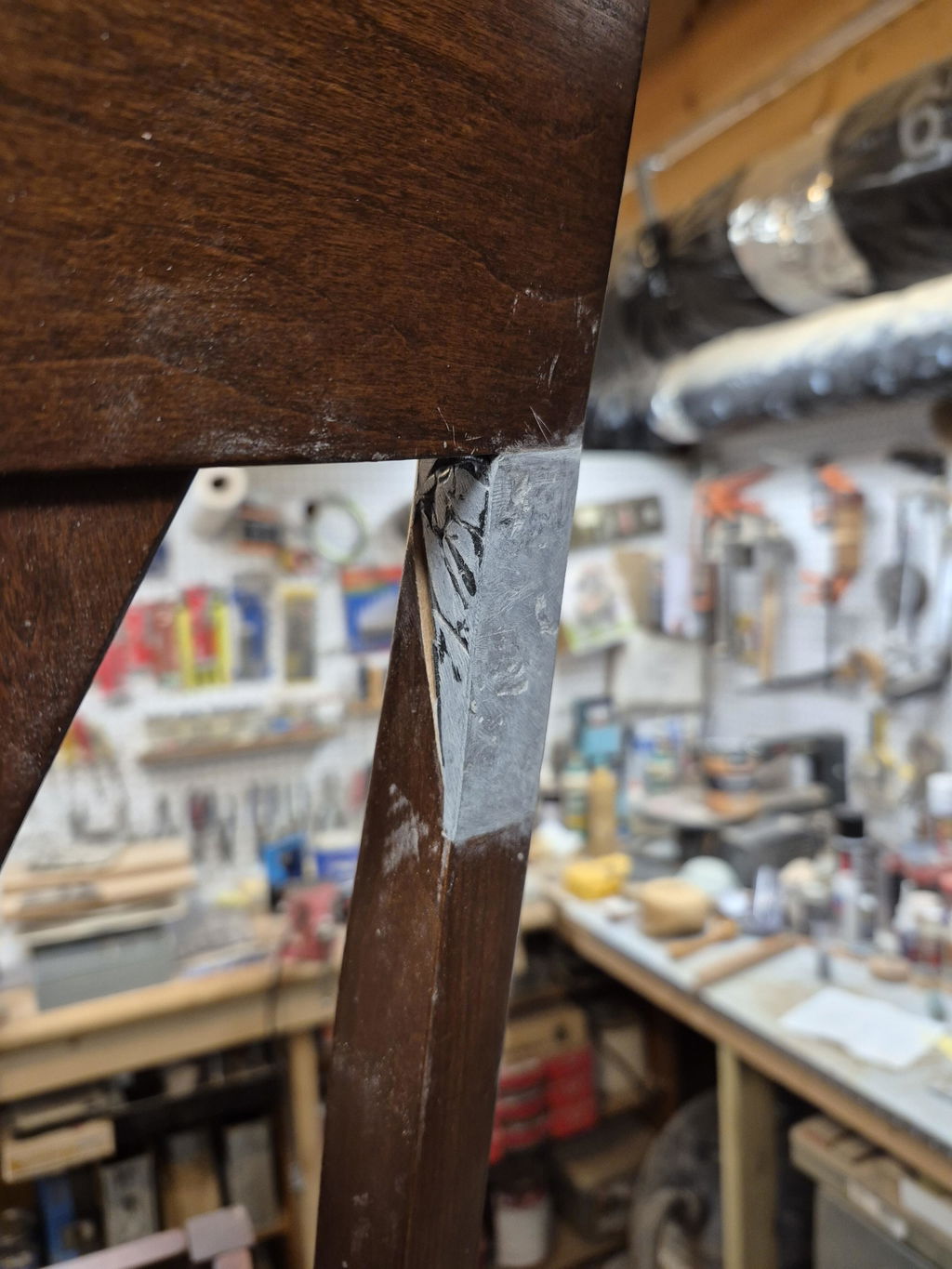
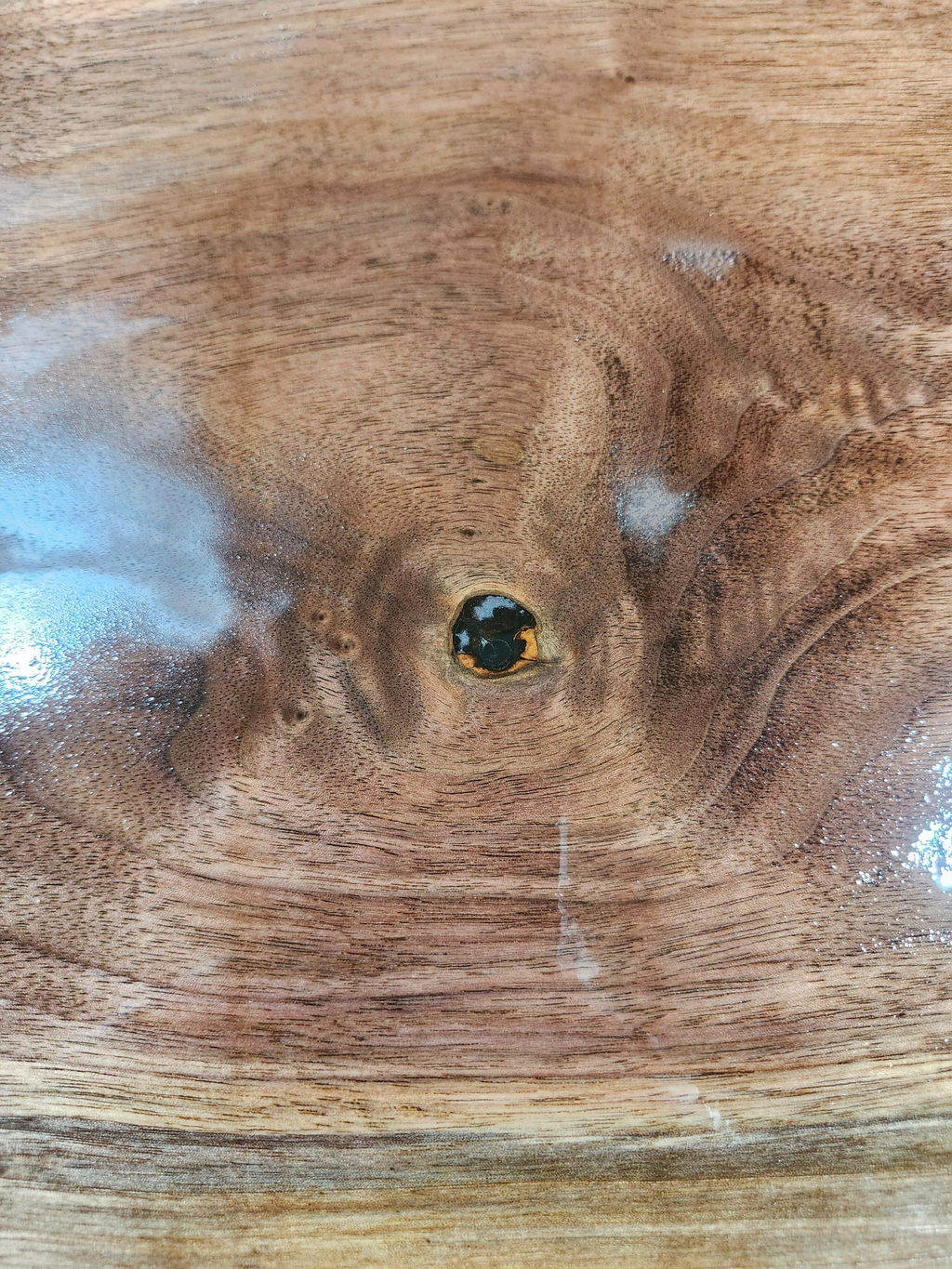
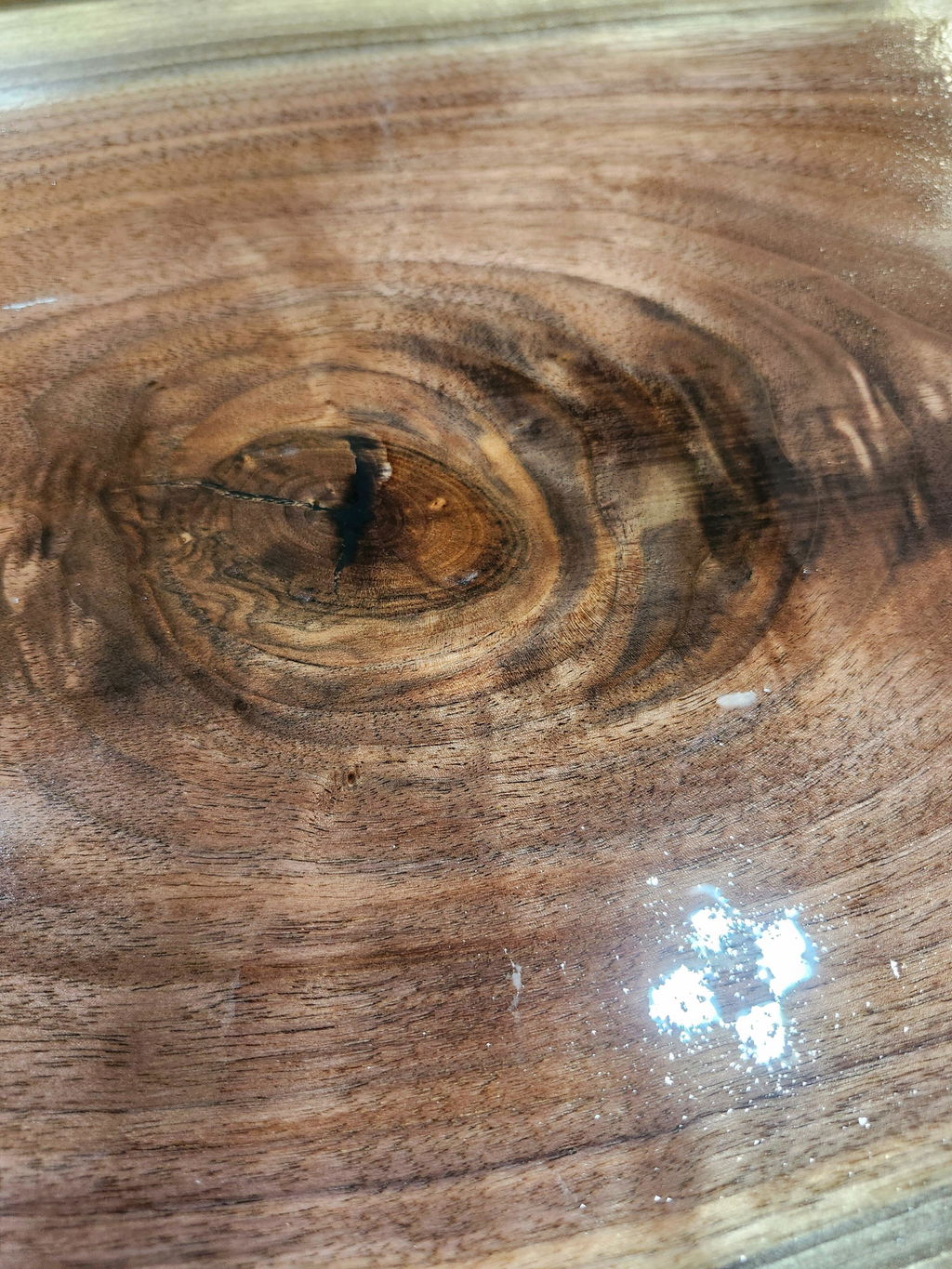
Ive been using Star Bond for a couple of years now , without a doubt it’s the best ca glue i have ever used . I have used others and other accelerators and i have to say , it’s still the best . Sometimes the other accelerators make the glue turn white , and it doesn’t set right quickly, with Star Bond Ca medium dark , coupled with their accelerator i can fill a quarter sized knot that goes all the way thru a hunk of walnut in 20 minutes sanded . You will only get that though if you follow instructions on how to fill a deep hole . They ate always posting updates and how to’s to better use their products , they have sales and coupons and customer service is always nice . If you work with wood , and you need to bond it together tight and right Star bond is great stuff . Jus FYI , it bonds all kinds of other stuff too , you should prolly get some clear for your girl , jus saying
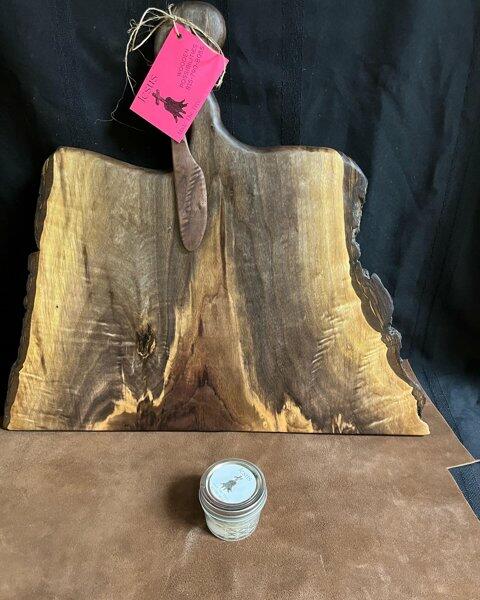
The accelerator is a hand in hand product to go with Starbonds’s CA glue, the accelerator is used on a daily basis in my shop from a crack repair to holding down products on the CNC bed. I purchased this and the largest cans possible because the amount I use during a week.
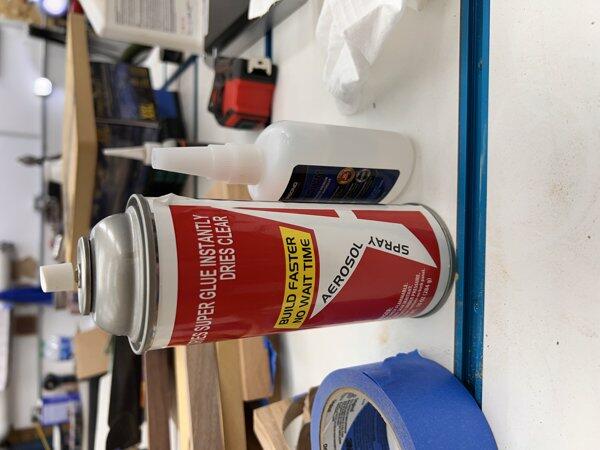
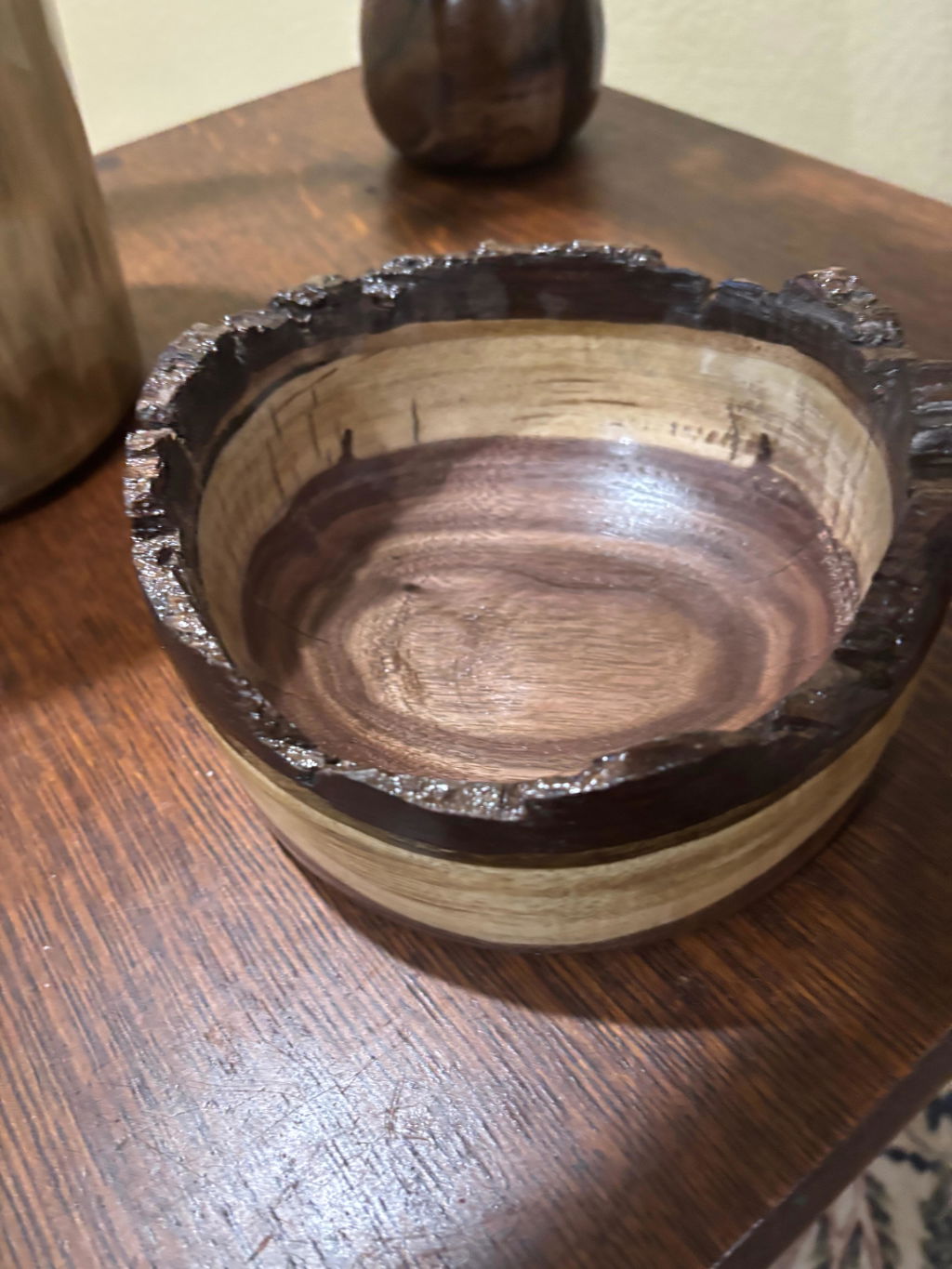
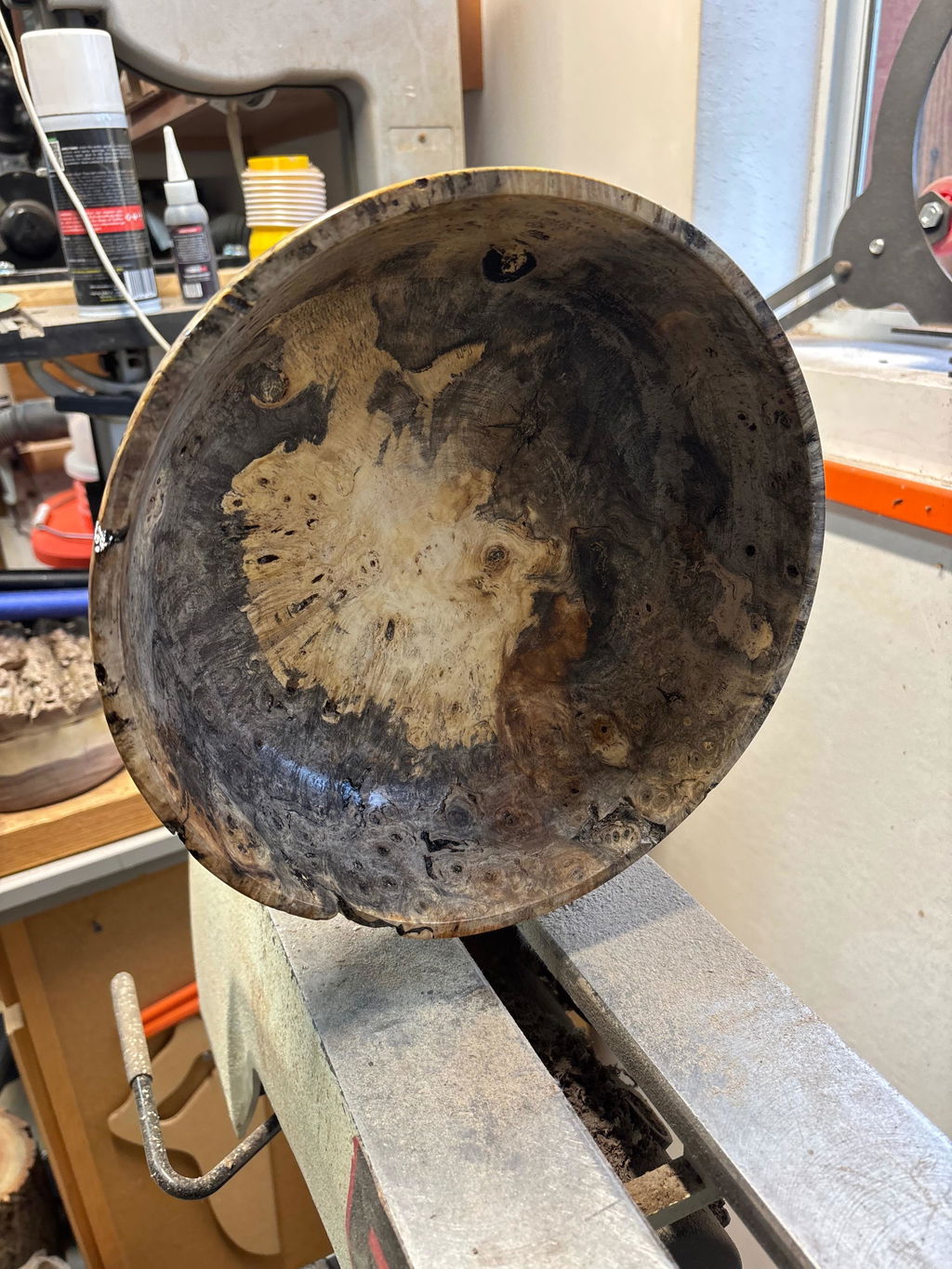
The water thin works great to stabilize a big bowl.
Picture of a cumber bowl
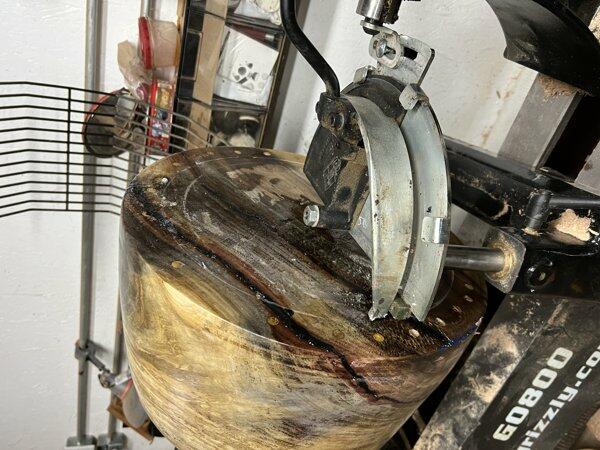
I build furniture in Maui and I use this a lot with the Medium thick dark CA glue., it's great stuff.