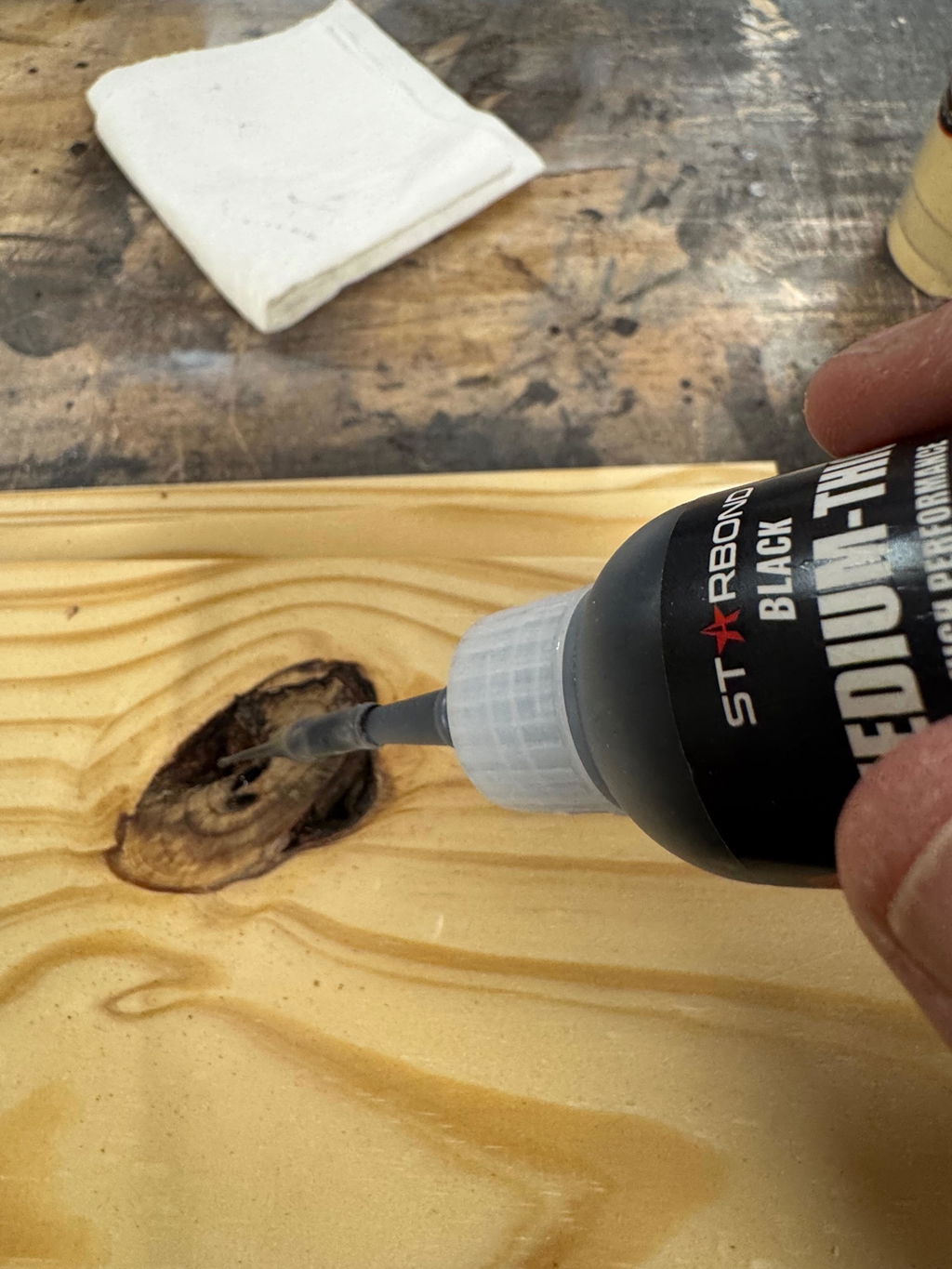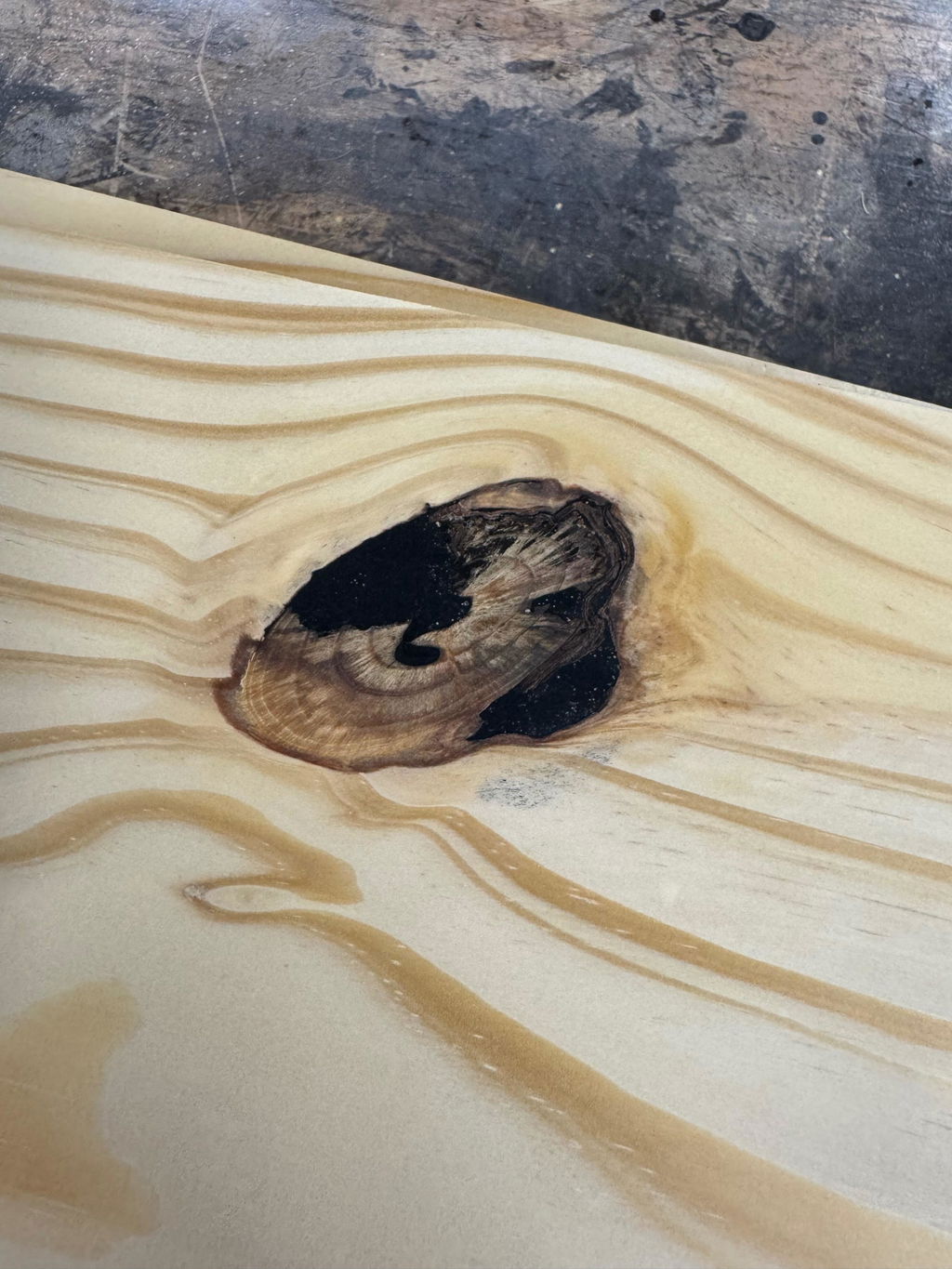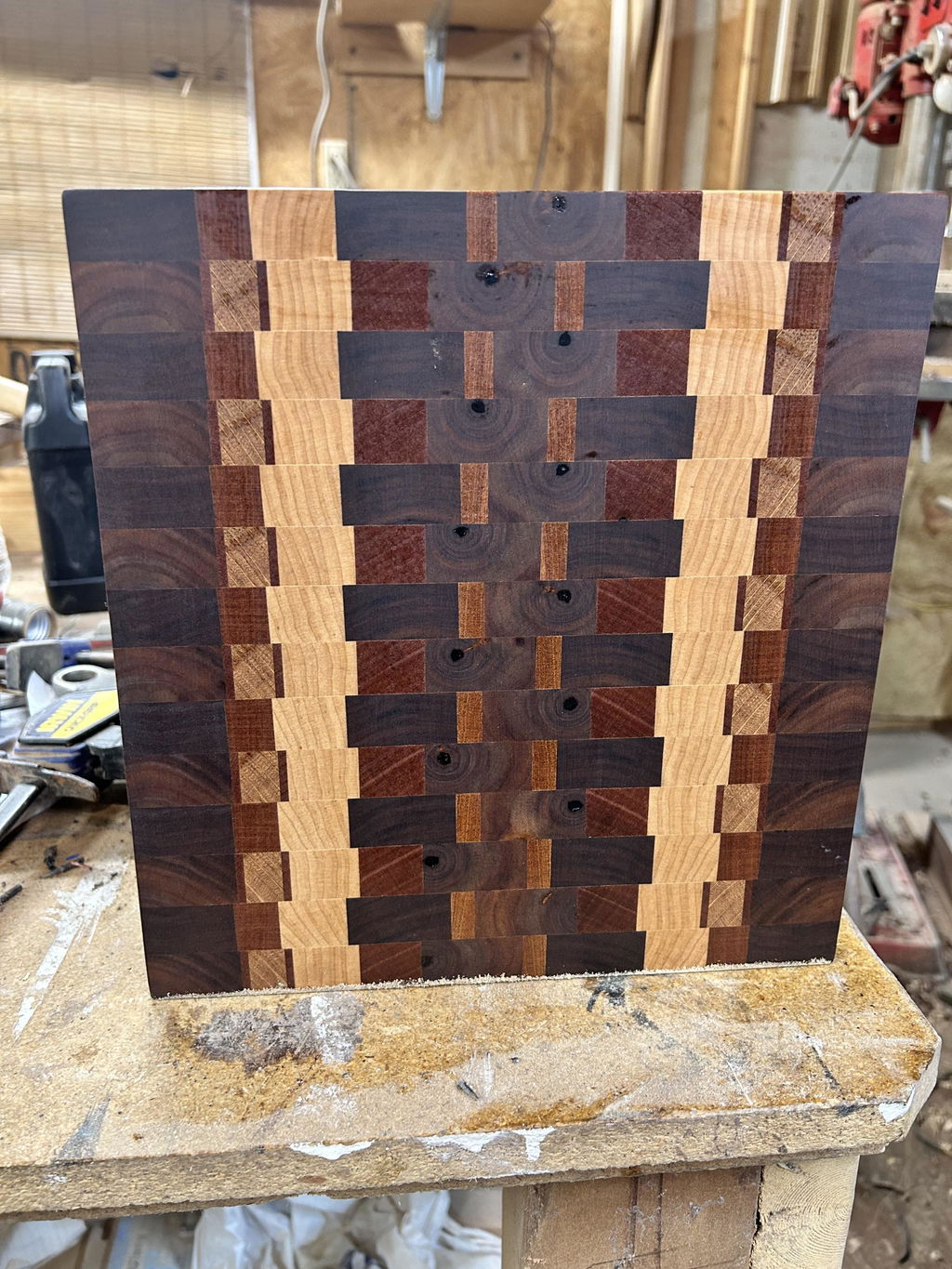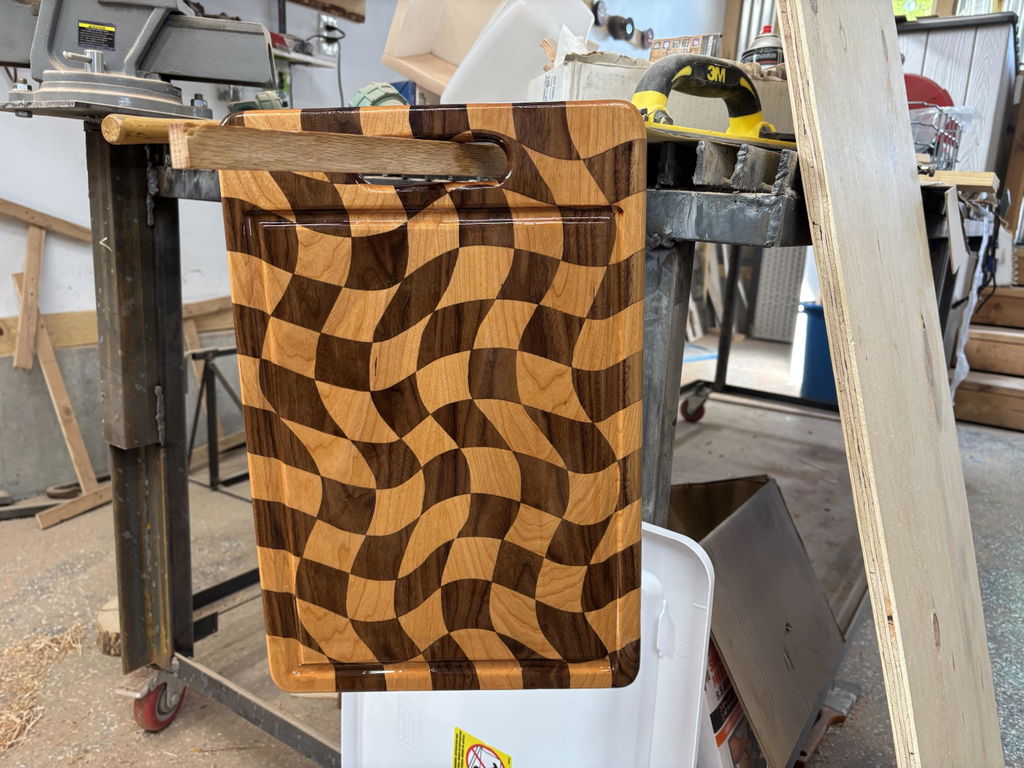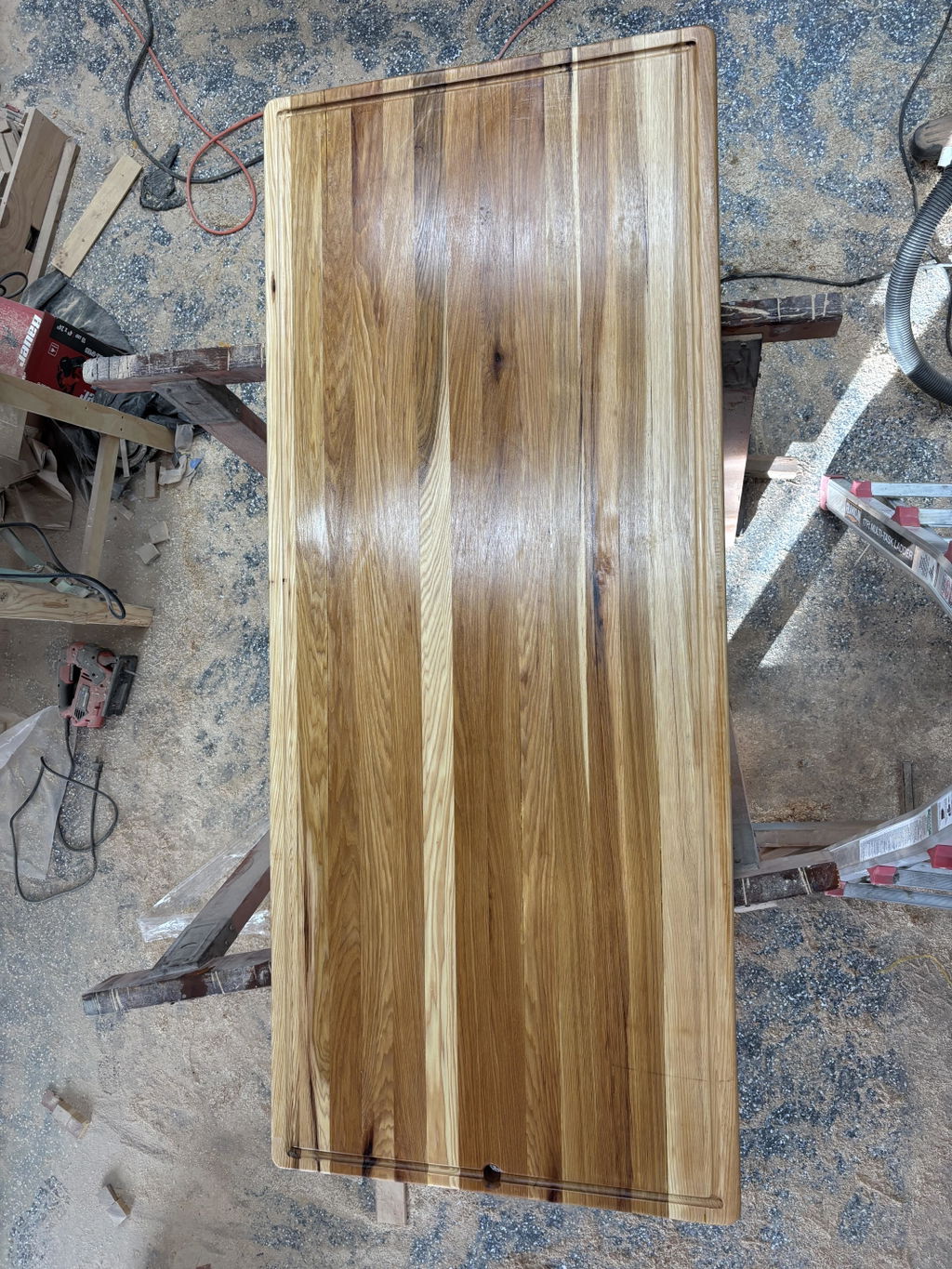


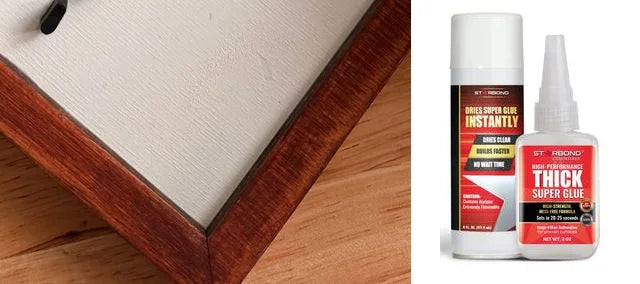
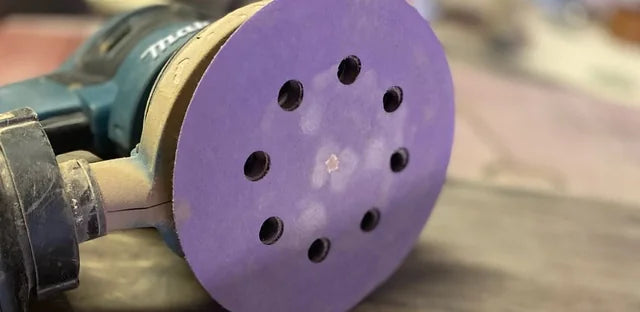
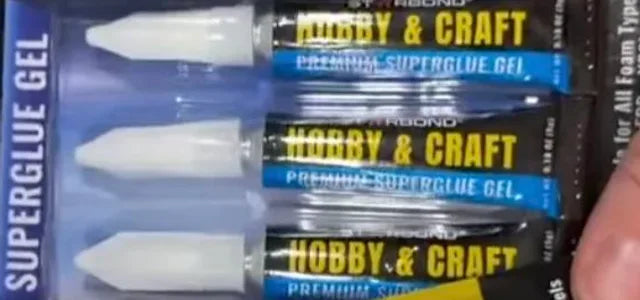
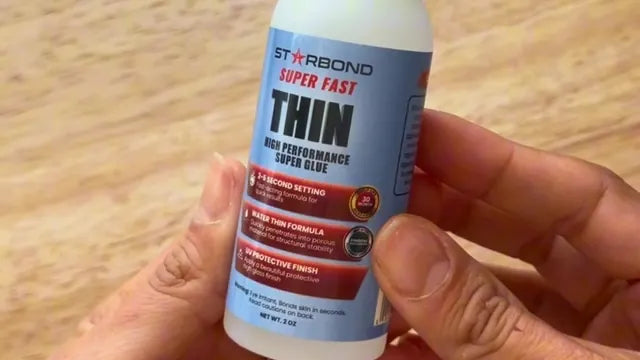


See a knot fill leveled before finishing
This short visual demonstration shows the surface preparation stage. It does not test stain compatibility. Check your chosen finish on a repaired offcut first.
What to look for
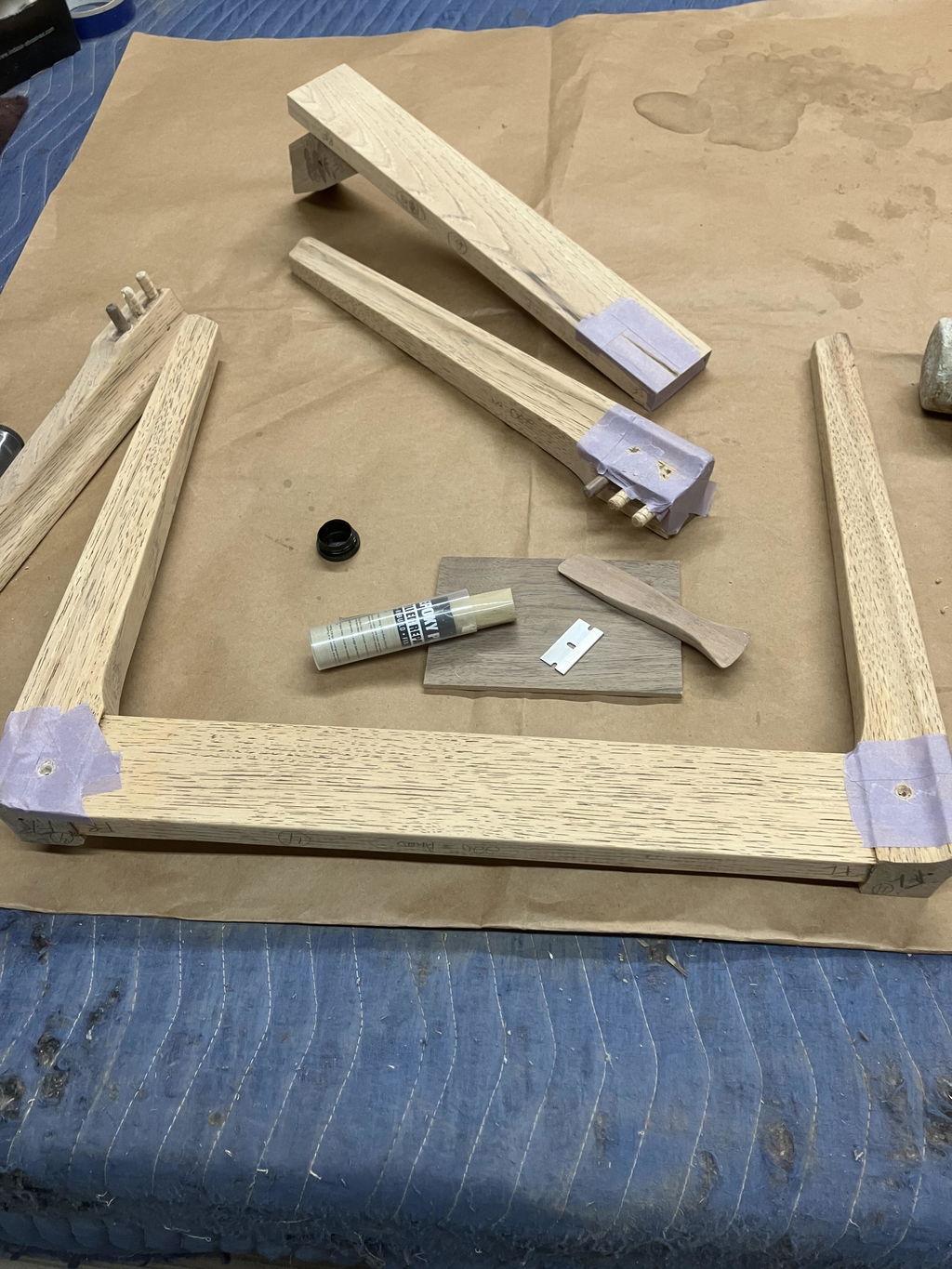
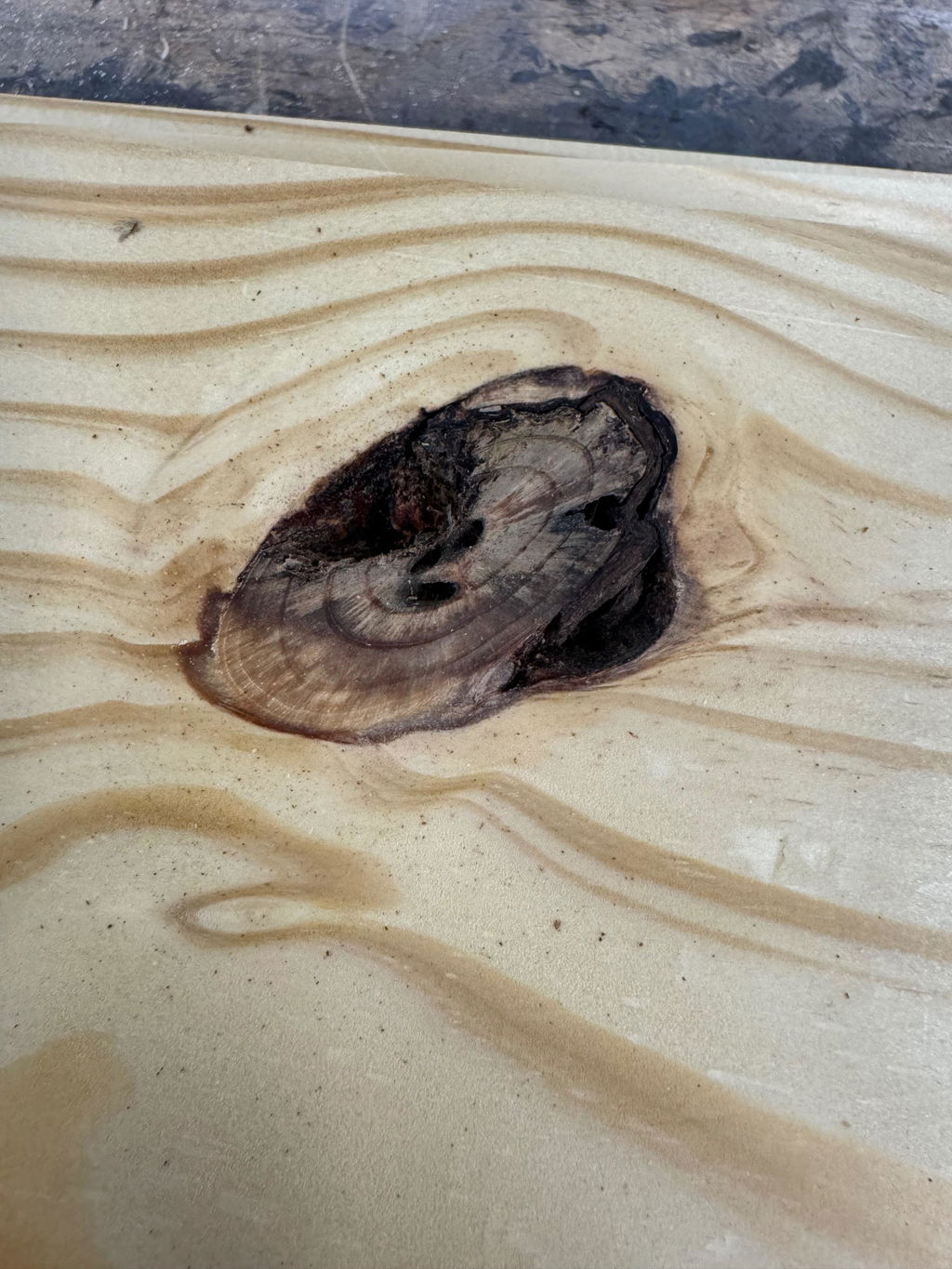
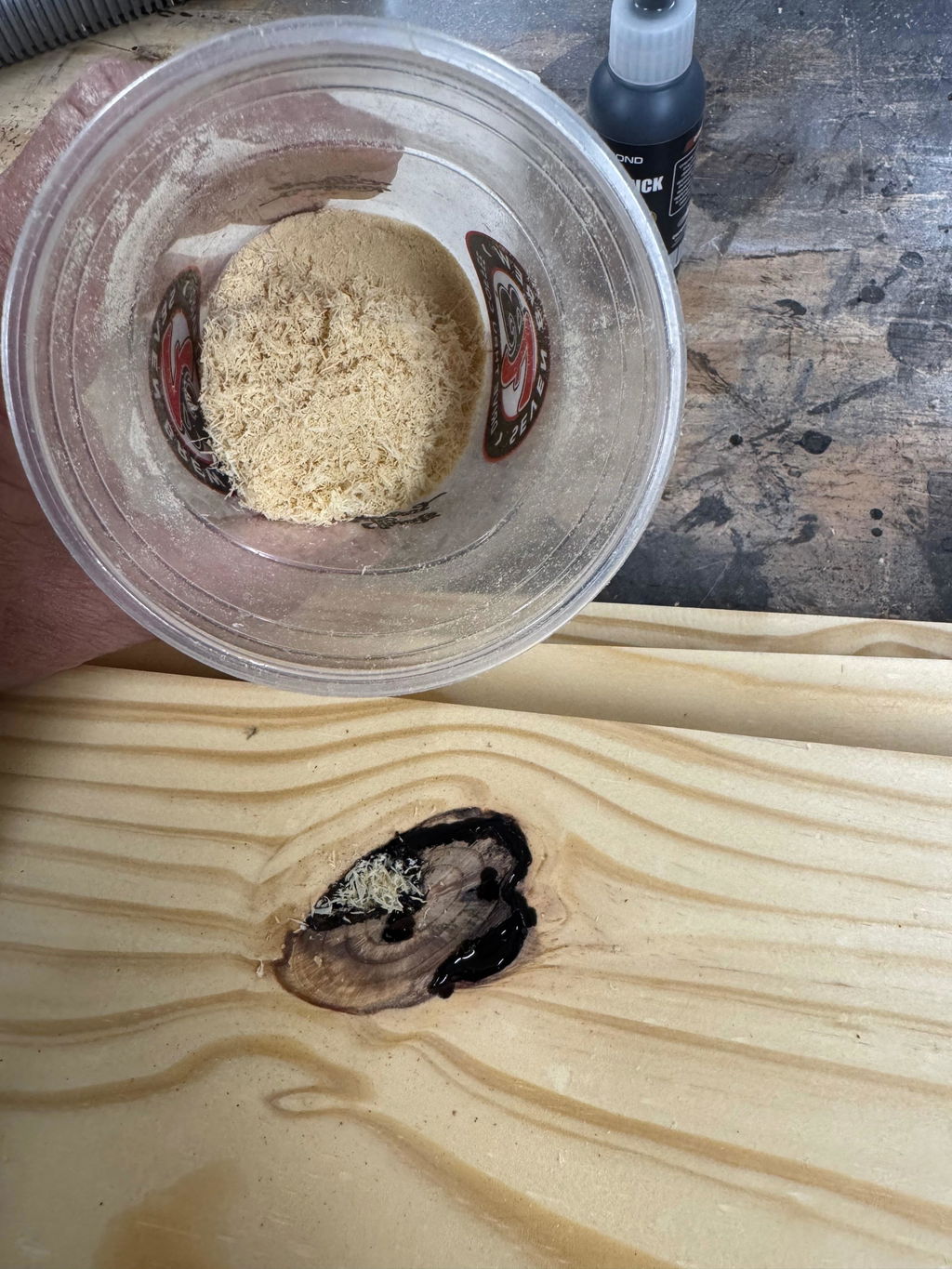
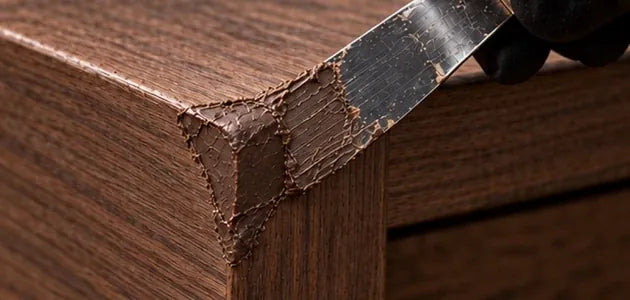
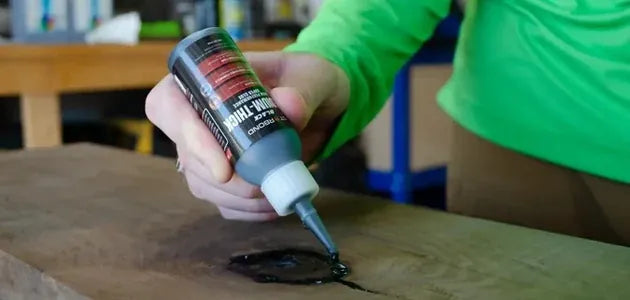
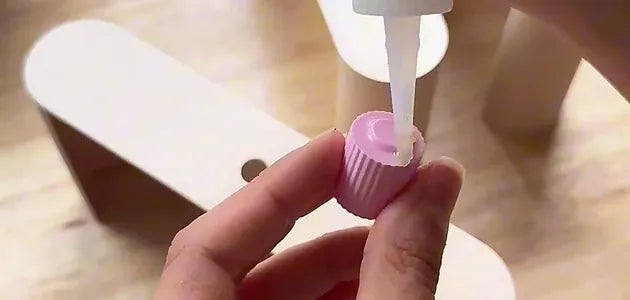
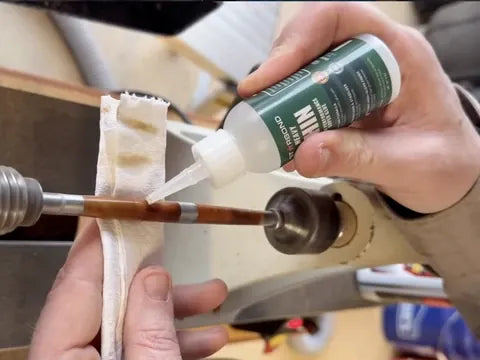
- 0:01 Watch the small knot being filled — The adhesive sits in the dark recess. Limiting the footprint keeps the surrounding bare wood available to absorb stain.
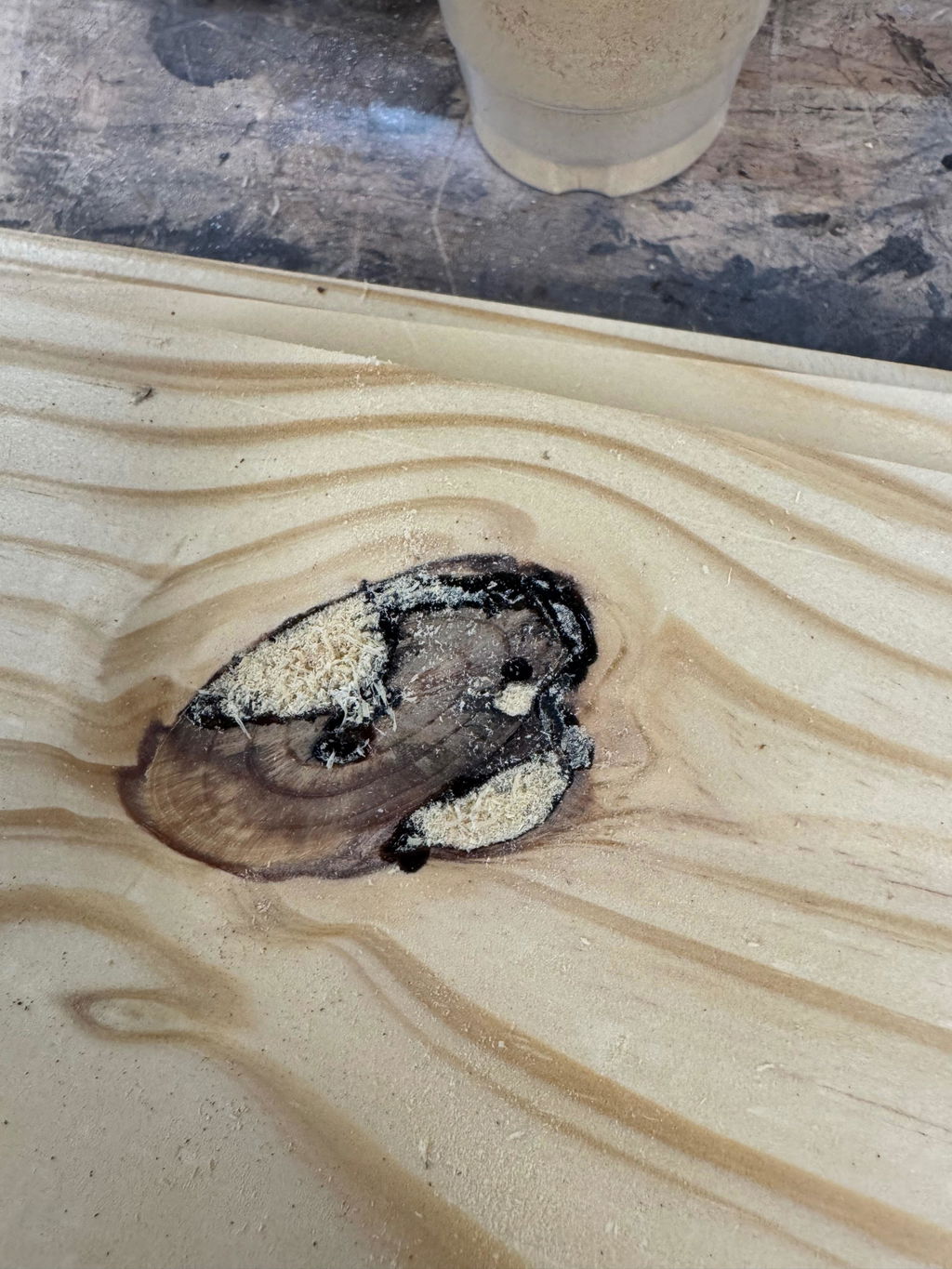
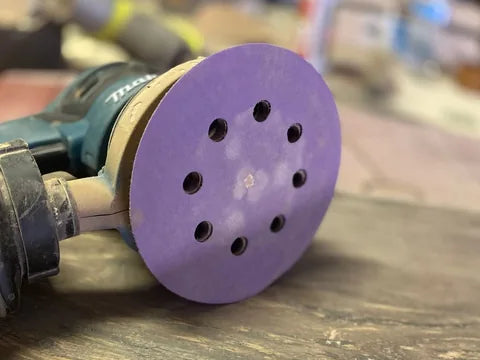
- 0:07 Compare the surface after leveling — The final sanding pass leaves the repair flush. Dust away the residue before testing your finish.
Wondering if you can apply a desired finish over CA glue? The answer is yes, but with a catch. It's crucial to make sure that the CA glue has fully cured before applying any finish to ensure proper adherence.
When coating CA glue with a finish, avoid using any type of finish that contains oil or petroleum distillates, because they react with the CA glue, resulting in either a more brittle or a sticky finish. To ensure success, opt for water-based stains or finishes. Here's a list of some that will work well for your projects:
1. Water-based polyurethane
2. Water-based lacquer
3. Water-based varnish
4. Acrylic enamel
5. Polyester finish
6. Water-based wood stains
7. Water-based shellac
8. Water-based spray paint
9. Water-based chalk paint
Please ensure the surface is free of dust and debris before applying the finish. You can use a brush, rag, or spray gun, depending on the type of finish and the desired application method. After application, allow the finish to dry completely before handling the surface.