



Quick answer: To repair a broken ceramic or porcelain vase, clean the broken edges with rubbing alcohol, apply a small amount of CA glue (super glue) to one edge, align the pieces precisely, and hold until set. Use only a thin layer; too much glue weakens the joint and misaligns the pieces. Once cured, smooth any excess with fine sandpaper. A medium CA glue is ideal because it fills hairline gaps while still bonding fast.
Choose an adhesive for a close-fitting break
This short segment covers viscosity, one-sided application, and holding two pieces in alignment. For the ceramic vase, rehearse the fit with dry fragments before opening the bottle. Reserve repaired pieces for decorative display.
What to look for
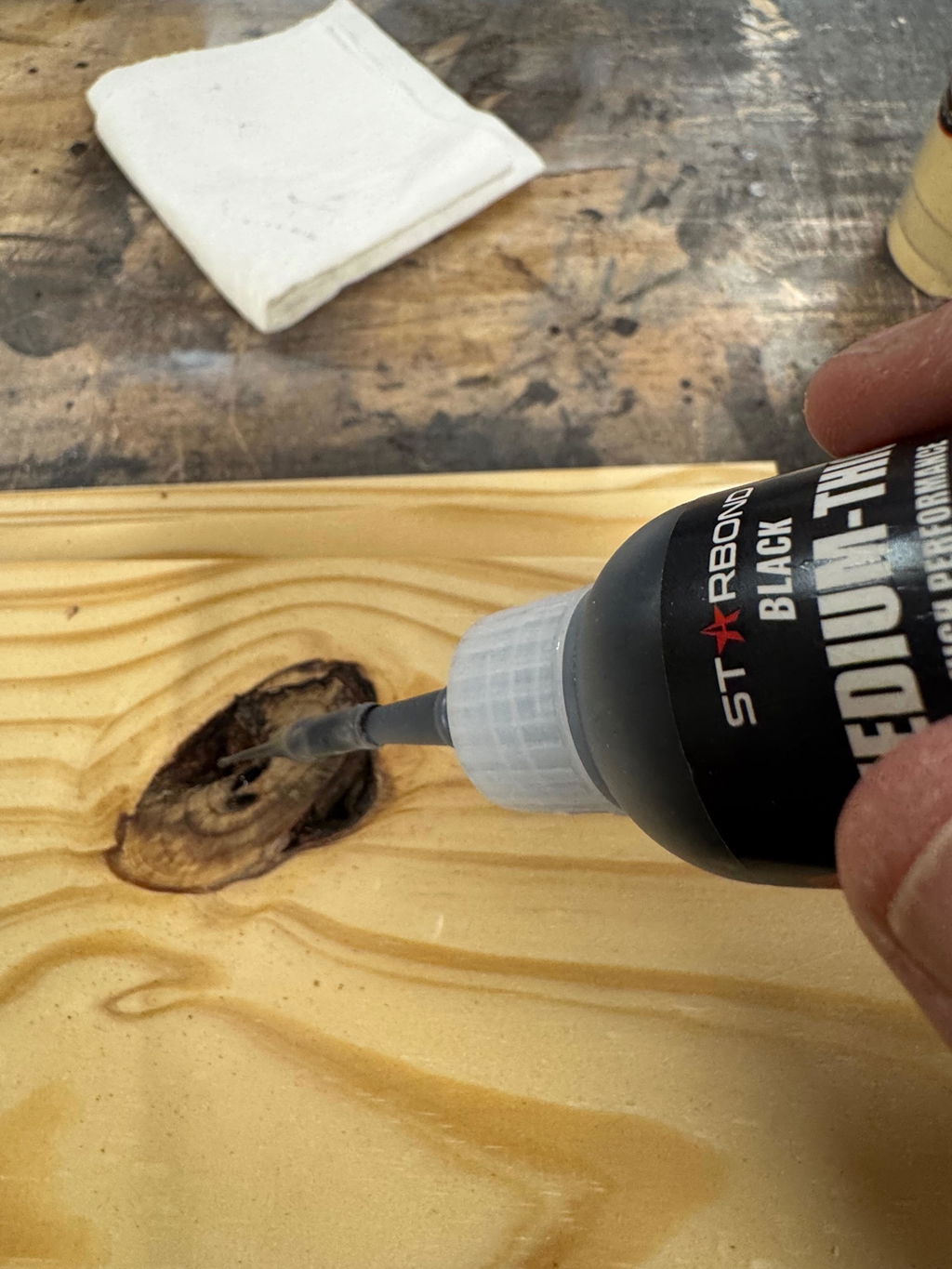
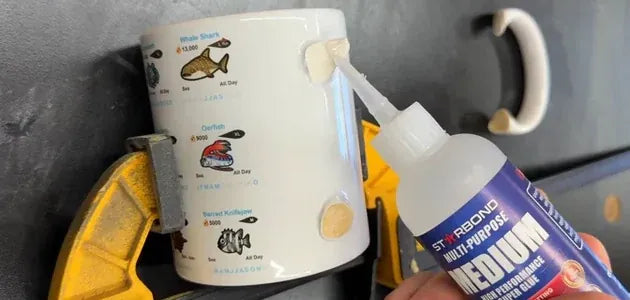
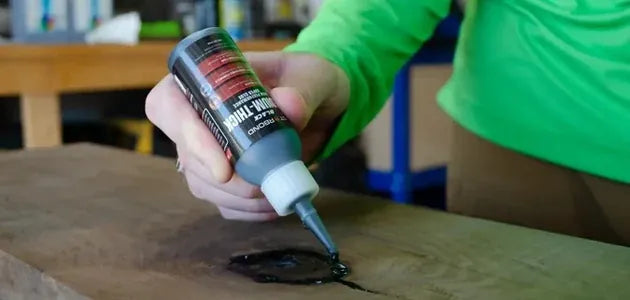
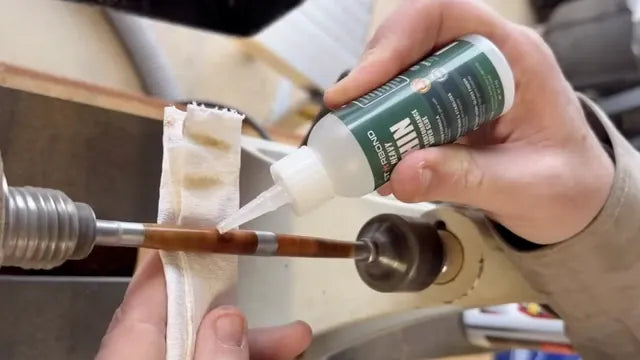
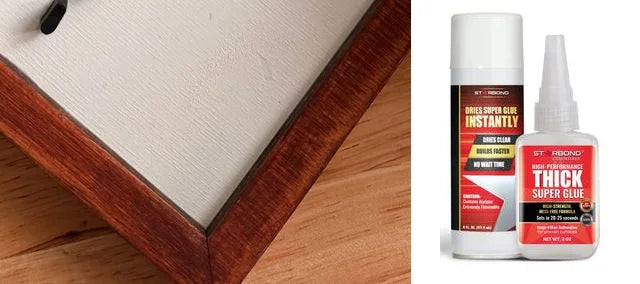
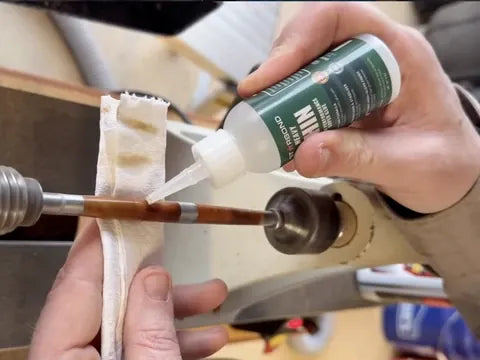
- 1:37 Choose a controllable flow — Nate compares thicker glue with medium CA for everyday bonding. A narrow line should stay on the clean broken edge without spilling over the glaze.
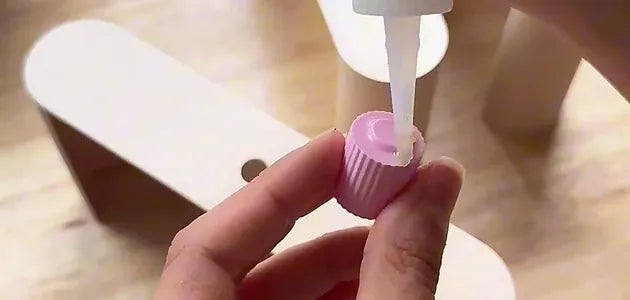
- 1:53 Apply to one edge and hold — Nate explains the basic sequence of coating one surface and then pressing the parts together. Check the outside of the vase while positioning the pieces so the edges meet flush.
A broken vase is heartbreaking, especially one with sentimental value. The good news: CA glue can restore a broken ceramic or porcelain vase cleanly and permanently. Here is how.
How to repair a ceramic or porcelain vase
- Clean the broken edges. Use soap and water or rubbing alcohol to remove dirt, dust, and oils. A clean, dry edge is essential for a strong bond.
- Apply a small amount of glue. Put a thin line of CA glue on one broken edge. Use only a little: too much makes the joint brittle and pushes the pieces out of alignment.
- Align and hold. Press the pieces together in their exact original position and hold until the glue sets. Use a clamp, tape, or a weight to keep multi-piece repairs aligned while they set.
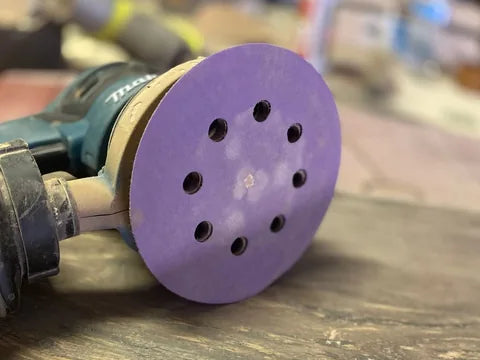
- Smooth the excess. Once cured, gently smooth any rough spots or squeeze-out with fine-grit sandpaper. Do not sand the broken edges before gluing, that removes material and leaves the pieces misaligned.
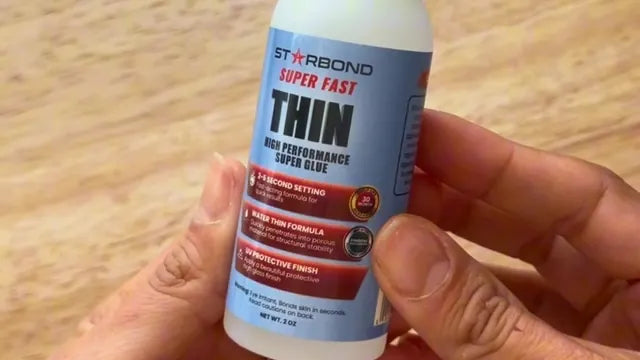
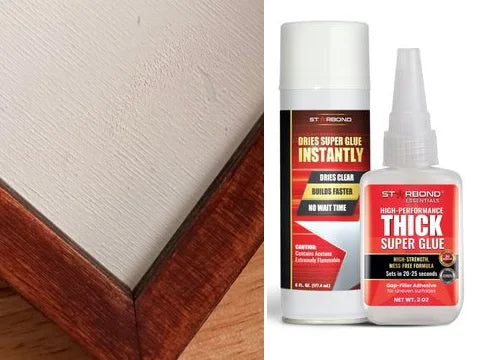
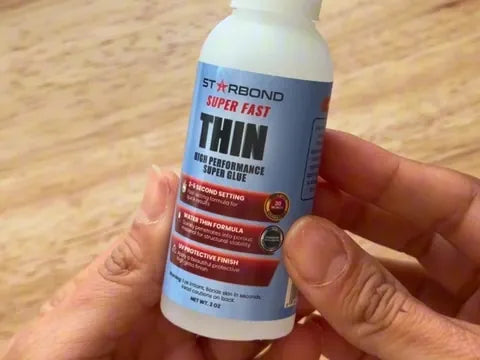
Best glue for the job: We recommend a medium-viscosity CA glue. Its oil-like consistency has properties of both thin and thick CA, so it fills small gaps and penetrates narrow cracks while bonding close-fitting parts, exactly what a clean ceramic break needs.
Frequently asked questions
What is the best glue to repair broken ceramic?
For clean breaks, a medium CA glue (super glue) gives a fast, strong, nearly invisible bond. For filling missing chips, a thicker CA or an epoxy putty works better.
How do you glue ceramic back together so it lasts?
Clean the edges, use a thin layer of CA glue, align precisely, and hold until set. Thin layers bond stronger than thick ones.
Is super glue strong enough for a vase?
Yes, for decorative vases and clean breaks. CA glue forms a rigid, durable bond. Display dried flowers, or place a separate watertight liner inside the repaired vase for fresh flowers.
How do I fix porcelain with a missing piece?
If a fragment is missing, fill the gap with thick CA glue or an epoxy putty, then sand and paint to match.
How long until the repair is fully cured?
It sets in seconds and reaches full strength in about 24 hours. See how long super glue takes to dry and cure.
Restore broken ceramics and porcelain.
Starbond medium CA glue is ideal for clean, strong, nearly invisible repairs. Shop Starbond CA glue.