



Prepare a smooth bonding face
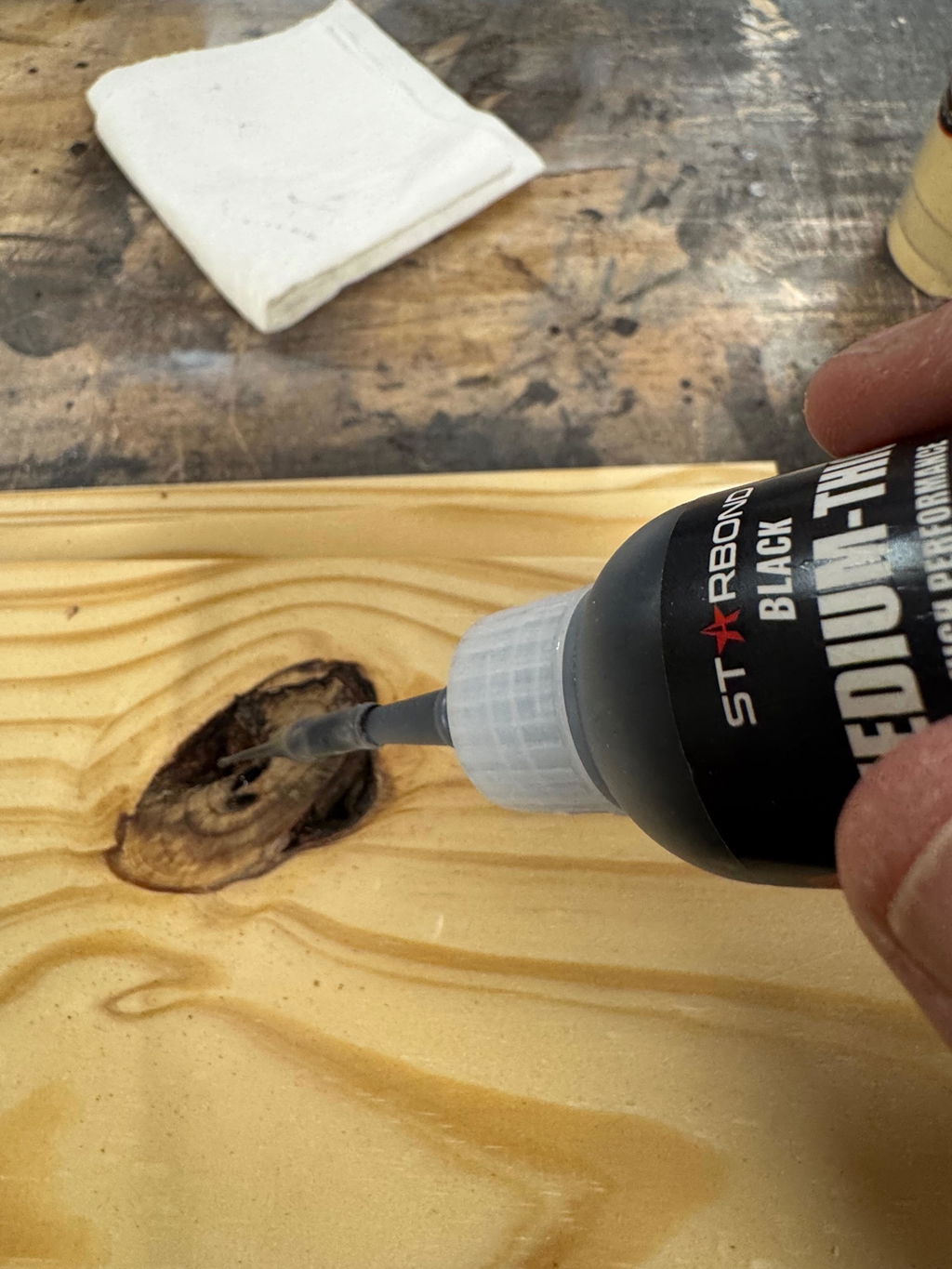
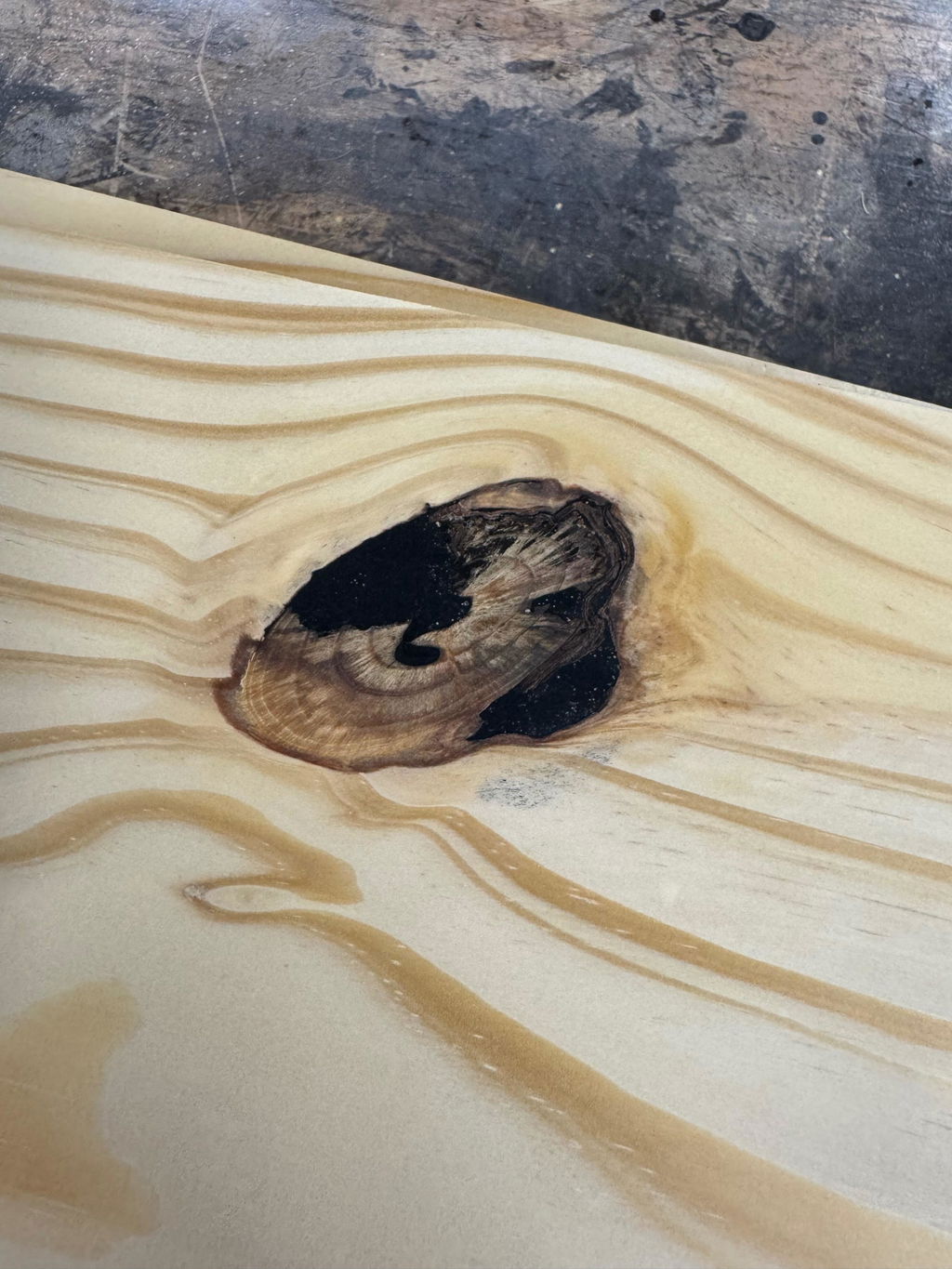
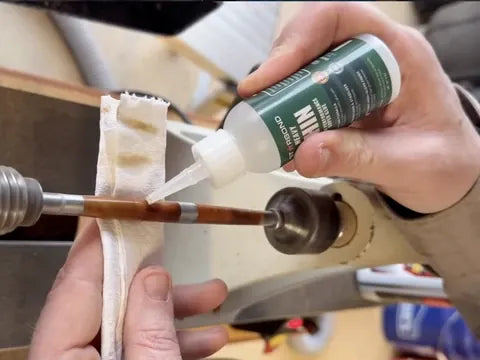
Nate Large shows surface preparation on wood and discusses contamination on metal. Use the method appropriate to your material and keep the visible finish intact.
What to look for
- 2:59 Check what the glue will touch — Remove debris from the mating faces. If the material permits scuffing, limit it to the hidden bond area.
- 3:46 Remove surface contamination — Oil or grease can get between glue and metal. Clean with a product compatible with the surface and let it dry before joining.
HOW CAN I BOND SURFACES THAT HAVE TROUBLE BONDING?
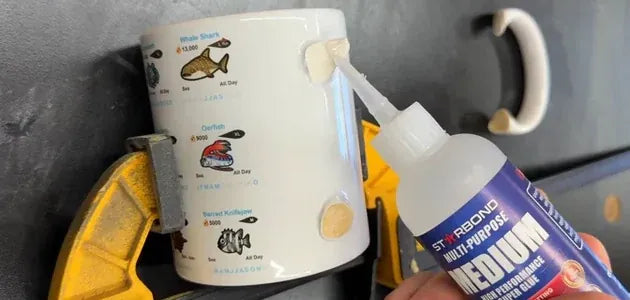
Objects that have smooth surfaces typically have lower surface energy and as a result, users experience a more difficult time getting them to bond. A few examples of material with low surface energy are smooth & "finished" glass, metal, and plastics.
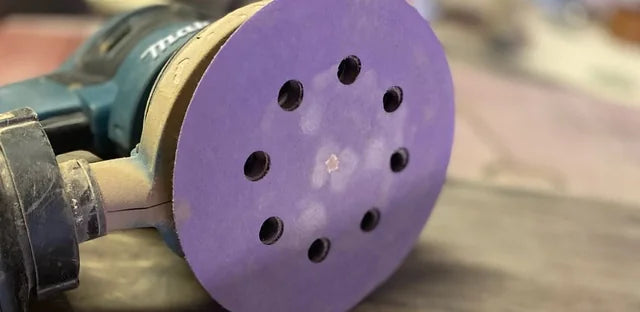
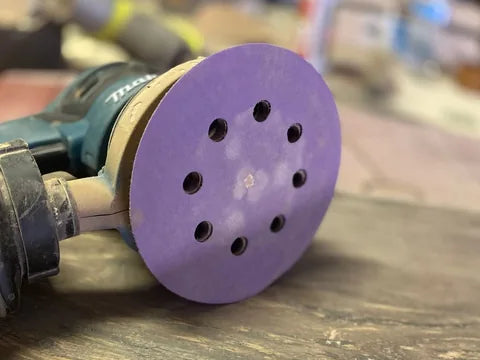
When bonding these types of surfaces, it's recommended to roughen up the surfaces to-be-bonded with an abrasive (e.g. sandpaper). This will add more surface energy to the material which allows the CA glue to better stick to the surface.